

Vortex Riflescopes - Premium Optics for Precision Shooting
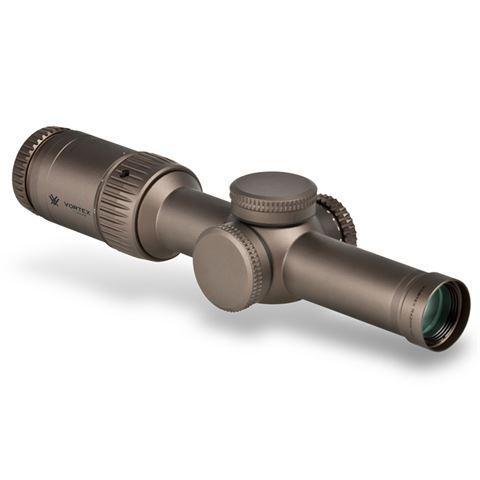
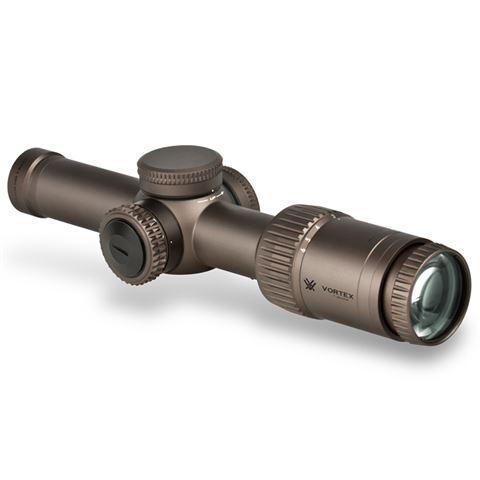
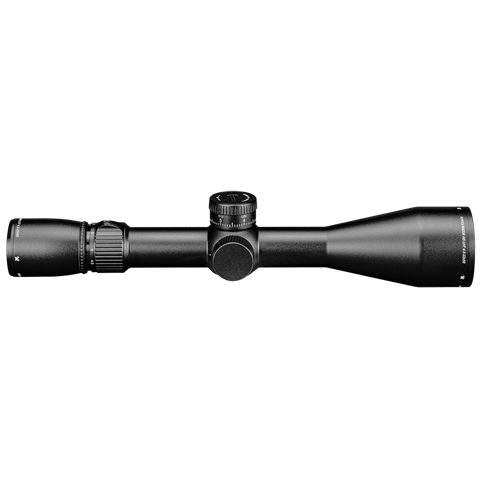
Vortex Optics is globally recognized for high-quality riflescopes that deliver performance where it counts. Whether you're shooting F-Class competitions, practicing long-range precision shooting, or equipping your rifle for tactical applications, Vortex offers a suitable solution for every level and discipline. From the entry-level Diamondback series to the professional Razor HD line, each model combines optical quality with the legendary VIP lifetime warranty.
At Hop.nl you'll find the complete Vortex range for the Dutch market. We specialize in precision shooting and long-range applications, so we know exactly which Vortex riflescope fits your setup. All models are in stock and come with full factory warranty. Have questions about which model best suits your caliber, distance, or discipline? Our team is happy to help you make the right choice.
Browse our complete Vortex range below and find the riflescope that elevates your shooting performance to the next level.
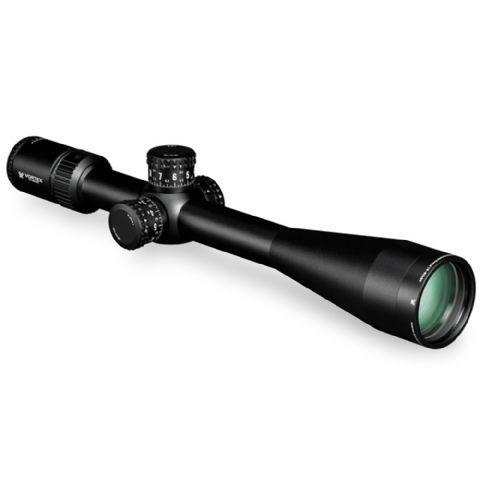
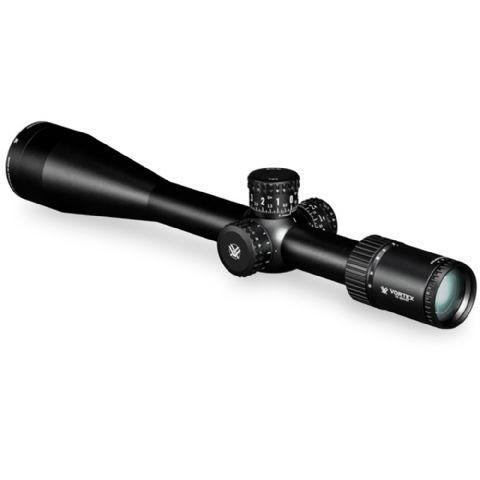
Why Choose Vortex Riflescopes?
Vortex Optics has quickly established itself as one of the most respected names in the optics industry. The American brand combines advanced technology with a price-to-performance ratio that's hard to match. Where European premium brands like Schmidt & Bender and Kahles often charge double or triple prices, Vortex delivers comparable optical performance at a fraction of the cost.
The VIP Warranty has become Vortex's trademark. This unconditional lifetime warranty covers all damage, regardless of cause. Drop your rifle, repair or replacement is free. Scratch your scope, Vortex fixes it. This warranty is transferable and valid worldwide, meaning a Vortex riflescope is an investment that lasts generations.
The Vortex Product Series Explained
Vortex maintains a clear product line where each series is designed for specific applications and budgets. Understanding the differences is important before making your choice.
Razor HD Series - Professional Grade Optics
The Razor line represents the absolute pinnacle of what Vortex has to offer. These riflescopes are used by military units, professional competition shooters, and long-range enthusiasts who accept no compromises. Razor HD Gen III models feature extra-low dispersion (XD) glass, APO system for color correction, and coating technology that optimizes light transmission to above 90%.
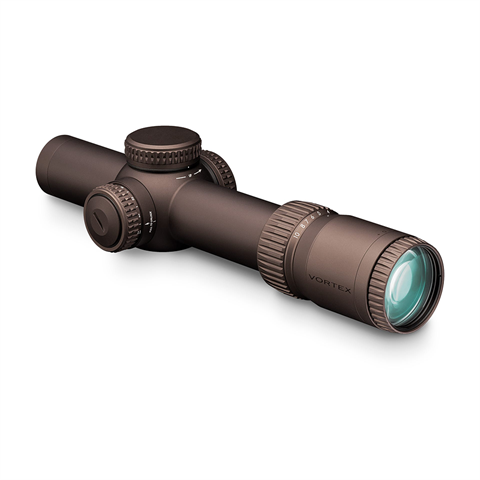
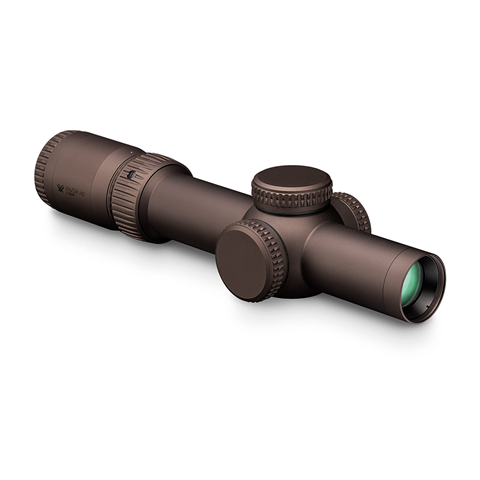
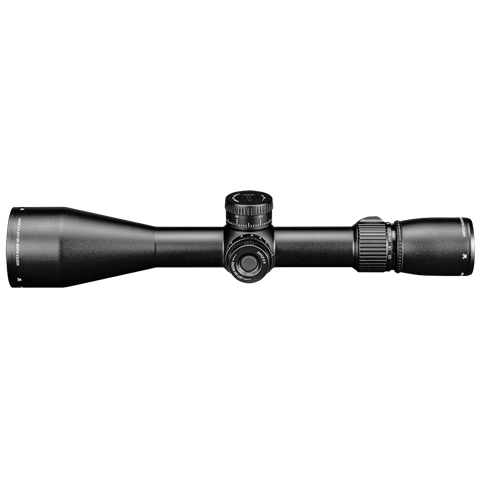
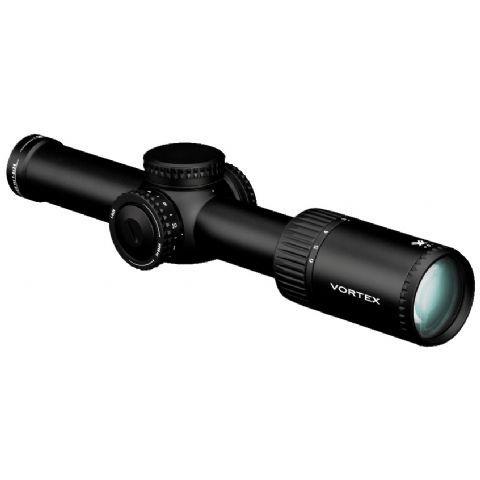
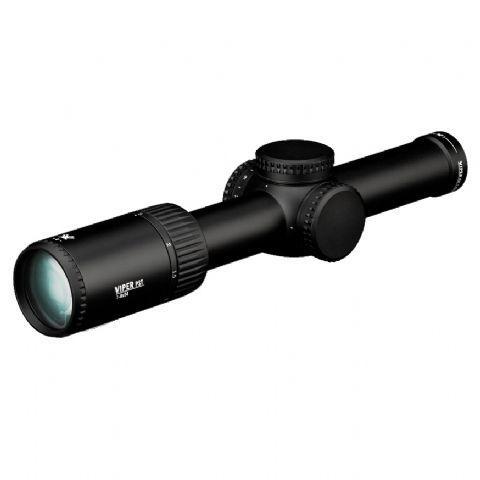
For tactical shooters, the Razor HD Gen III 1-10x24 has become a game-changer. True 1x magnification at lowest power makes this scope suitable for close quarters, while 10x magnification provides sufficient detail to 500 meters. The EBR-9 MRAD reticle is specifically designed for rapid range estimation and holdovers in dynamic shooting.
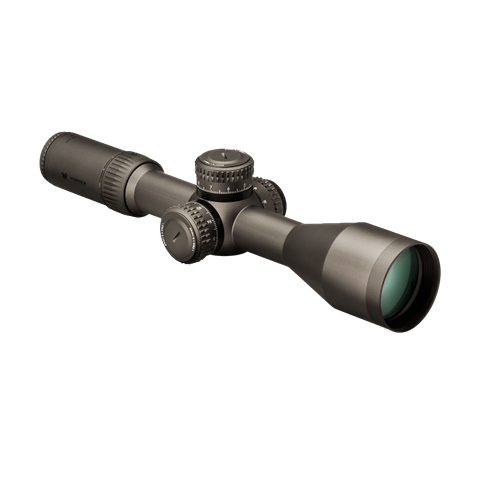
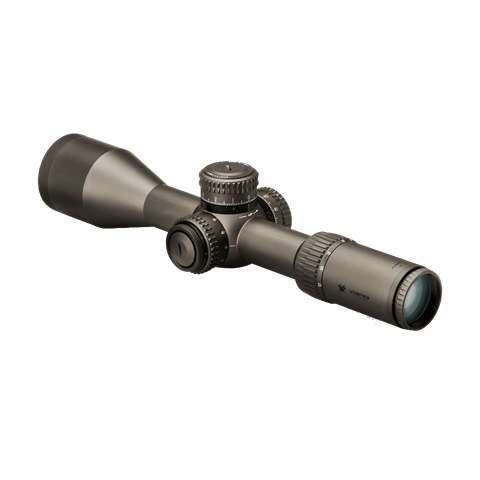
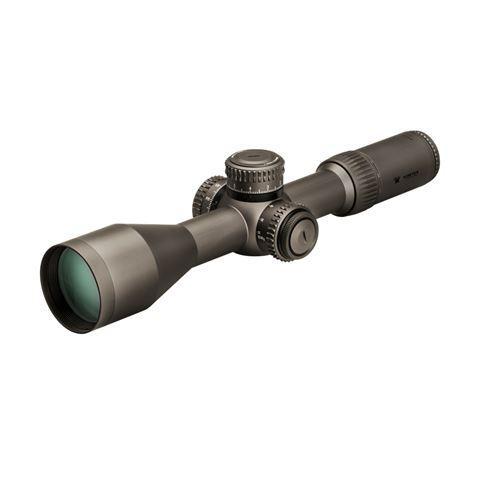
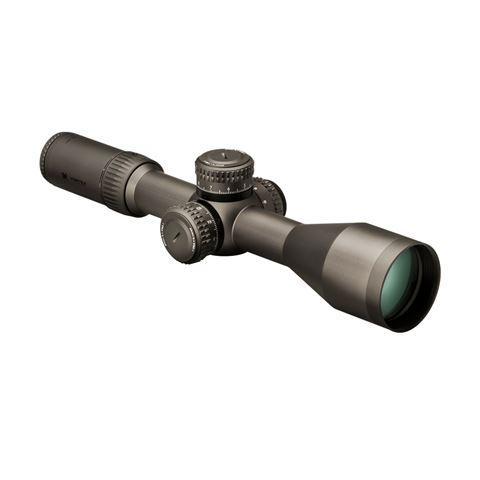
Long-range precision shooters often reach for the Razor HD Gen II in 4.5-27x56 or the extreme 5-40x56 variant. These models deliver the resolution and repeatability needed for consistent shooting at 1000+ meter distances. The AMG (Advanced Manufacturing Group) model goes even further with tolerances normally only achieved by European top brands.
Viper Series - Sweet Spot of Performance
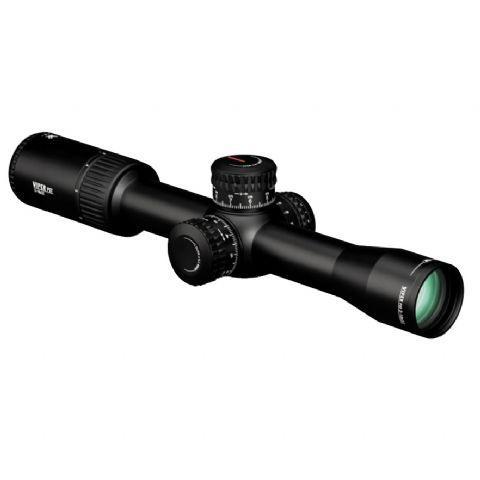
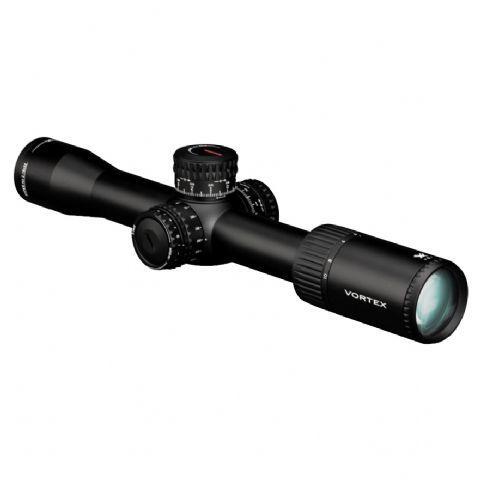
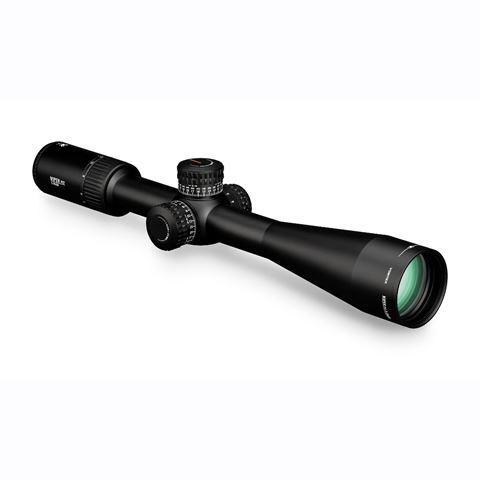
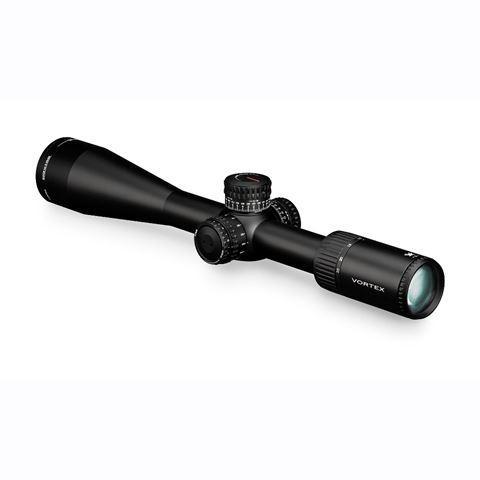
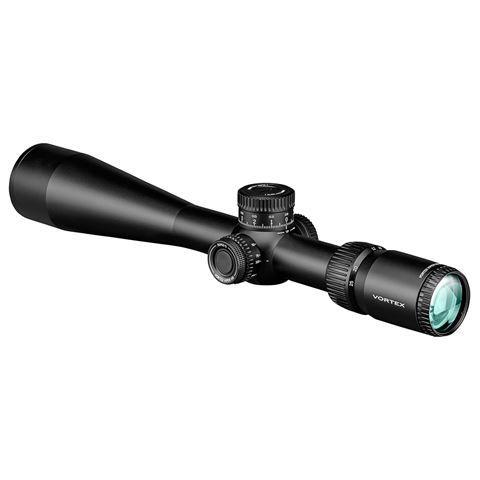
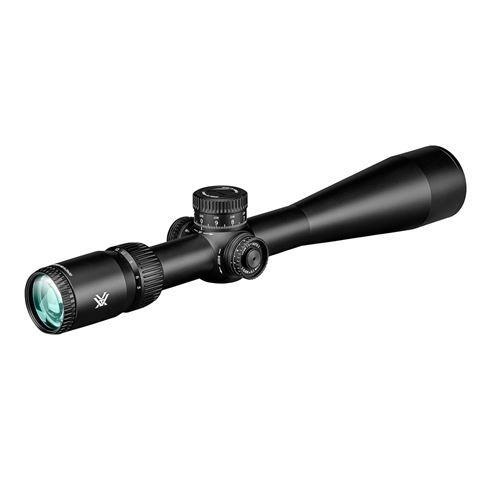
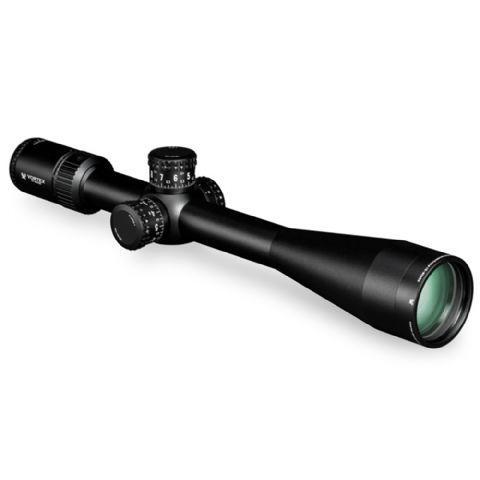
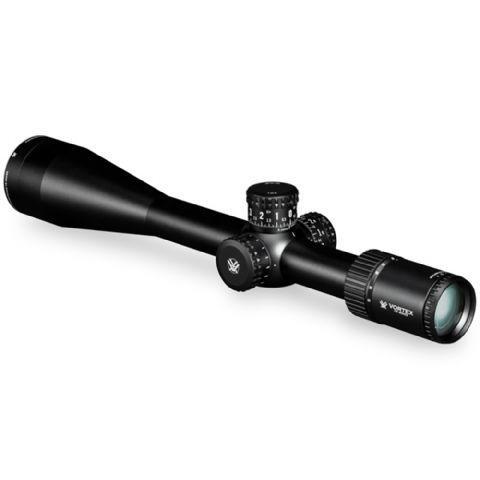
The Viper line, particularly the Viper PST (Precision Shooting Tactical) Gen II series, is considered by many to offer the best price-performance ratio in the riflescope market. For F-Class shooters and precision rifle enthusiasts, the Viper PST Gen II 5-25x50 provides everything needed for competitive shooting to 1000 meters, at a price that remains accessible for sport shooters.
The difference from the Razor series lies primarily in coating quality and mechanical tolerances. Where Razor click values are guaranteed within 0.1 MRAD accuracy, Viper maintains slightly wider tolerance. For most shooters, this difference is negligible in practice. The optical quality of Viper PST Gen II is excellent, with clear glass that provides sufficient light transmission even in twilight conditions.
The Viper PST Gen II is available in both FFP (First Focal Plane) and SFP (Second Focal Plane) versions. For long-range shooting, FFP is preferred because the reticle scales with magnification, meaning MRAD or MOA values always remain accurate regardless of your magnification setting. The EBR-7C MRAD reticle is intuitive and offers sufficient holdover marks without cluttering the view.
Strike Eagle Series - Entry Level Tactical
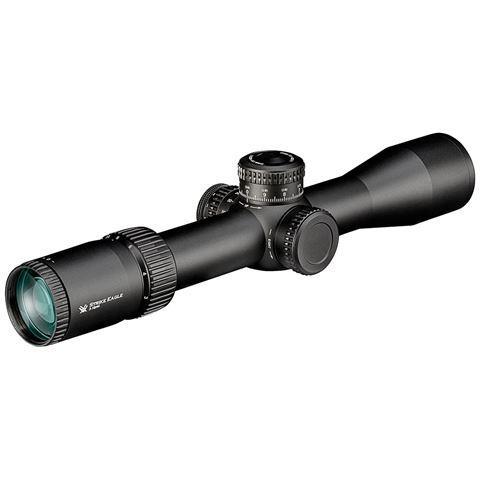
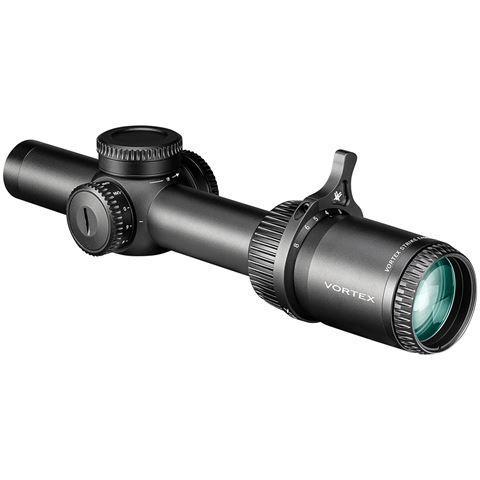
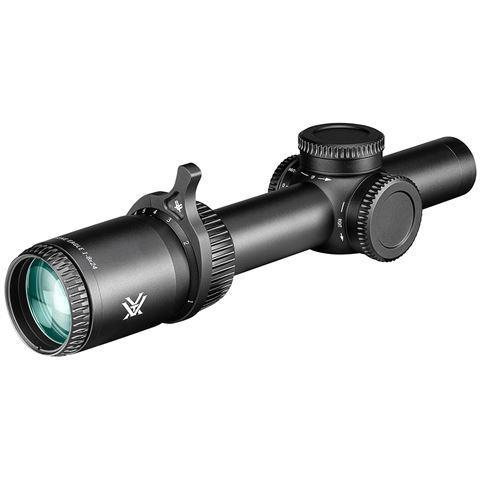
The Strike Eagle line is designed for AR-platform users seeking an affordable tactical scope. Models like the Strike Eagle 1-6x24 and 1-8x24 are popular for 3-gun competitions and dynamic shooting disciplines. True 1x magnification at lowest setting makes these scopes suitable for targets from point-blank to medium range.
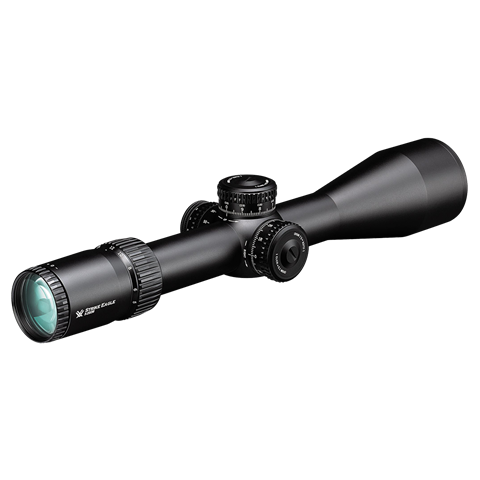
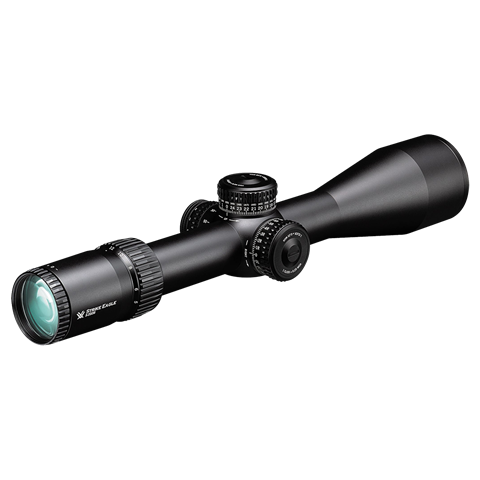
For precision rifle applications, the Strike Eagle 5-25x56 is an interesting option. It offers similar specifications to more expensive models but with simpler mechanics and coating. For beginning long-range shooters building their first precision setup, this is often a logical starting point before upgrading to Viper or Razor.
Diamondback Series - Budget Friendly Quality
Diamondback riflescopes are the entry point in the Vortex portfolio but still deliver solid optical performance. For hunting applications or plinking, these scopes are more than adequate. The Diamondback Tactical line brings MRAD turrets and FFP reticles to a budget-friendly price point, making them attractive for shooters wanting to experiment with long range without major investment.
It's important to have realistic expectations. Diamondback glass isn't comparable to Viper or Razor, and the mechanics have larger tolerances. For competitive F-Class or ELR shooting these scopes are insufficient, but for training, practice, and hunting they deliver excellent value.
First Focal Plane vs Second Focal Plane
A crucial choice with Vortex riflescopes is FFP versus SFP. This difference has major impact on how you use the scope at different magnifications.
First Focal Plane (FFP) means the reticle is located in the first focal plane of the optical system. Practically, this means the reticle scales when you adjust magnification. At 5x magnification the reticle is smaller, at 25x magnification it's proportionally larger. The major advantage is that MRAD or MOA values always remain accurate, regardless of your magnification. If your reticle indicates a target is 2 MRAD high, that measurement is correct at every magnification.
For long-range precision shooting, FFP has become the standard. You can quickly switch between magnifications without holdover calculations changing. With wind calls at variable distances, this offers significant advantage. Many competition shooters use lower magnification during sighters to better read wind in mirage, and switch to higher magnification for precision shots. With FFP, all reticle subtensions remain correct.
Second Focal Plane (SFP) places the reticle behind the zoom system, so it always maintains the same size regardless of magnification. The advantage is the reticle never becomes too large or too small. At low magnification it remains clearly visible, at high magnification it doesn't take excessive space. The disadvantage is MRAD/MOA values only are correct at one specific magnification (usually maximum).
For hunting and tactical applications where you mainly shoot at one fixed magnification, SFP works fine. Also for shooters who use turret adjustments instead of reticle holdovers, it matters less. Most hunters prefer SFP because the reticle remains clear at low magnification during spotting.
MRAD vs MOA - Which System Suits You?
Vortex offers most models in both MRAD (Milliradian) and MOA (Minute of Angle) versions. Both systems work perfectly; the difference lies in how you calculate with them and what you're accustomed to.
MRAD is the metric system and is becoming increasingly popular in Europe. One MRAD equals 10cm at 100 meters, 20cm at 200 meters, and so forth. For shooters accustomed to metric distances and geometric calculations, MRAD feels natural. With wind calls you calculate in meters per second, which seamlessly connects to MRAD corrections. Modern ballistic software like Applied Ballistics works natively in MRAD.
Most precision rifle competitions in Europe now use MRAD as standard. F-Class, PRS, and ELR events issue range cards in meters and MRAD values. If you participate in organized shoots, MRAD is often the practical choice so you speak the same language as fellow shooters.
MOA (Minute of Angle) is the traditional system from American shooting culture. One MOA equals approximately 2.9cm at 100 meters (technically 2.908cm, often rounded to 3cm for simplicity). For shooters accustomed to imperial measurements (yards, inches), MOA aligns better with their thinking framework.
The most important thing is consistency. Choose one system and stick with it. Never mix MRAD scope with MOA data or vice versa, as that guarantees misses. If your ballistic app gives MRAD output, your scope must have MRAD turrets. If your dope card is in MOA, you need an MOA scope.
Reticle Choices in Vortex Riflescopes
Vortex has introduced dozens of reticle designs over the years. The most relevant for precision shooting are:
EBR-7C (MRAD) - The standard precision reticle in many Viper PST Gen II models. This reticle offers a fine crosshair with hash marks every 0.2 MRAD to 10 MRAD in all directions. It's clean enough not to be distracting, but has sufficient reference points for wind holds and range estimation. For F-Class to 1000 meters and general long-range work, this is an excellent all-around choice.
EBR-2C (MOA) - The MOA variant of the above reticle. Hash marks in 1 MOA increments with subtensions for wind holds. Popular with American shooters and hunters who calculate in yards.
Tremor3 - An advanced reticle originally developed by Horus Vision, now integrated in some Razor models. Tremor3 is a grid-style reticle with many reference points for range estimation, wind holds, and moving target leads. This reticle has a steep learning curve but offers unprecedented speed for advanced shooters. Popular in military and tactical precision circles, but overly complex for most sport shooters.
EBR-9 (MRAD) - Specifically designed for 1-10x tactical scopes like the Razor Gen III. At 1x magnification only the central dot remains visible for both-eyes-open shooting. At higher magnifications, MRAD subtensions appear for precision work. This reticle is optimized for dynamic shooting disciplines.
AMG Reticle - Exclusive to Razor AMG models. Ultra-fine crosshair with floating center dot and minimal subtensions. Designed for absolute precision at extreme distances where every pixel counts. The most minimalistic reticle in the Vortex portfolio.
Mounting and Compatibility
A premium riflescope demands premium mounting. Vortex uses standard 30mm tube diameter on most tactical and precision models, with some 34mm models in the high-end Razor line. The 34mm tube offers more internal adjustment range, which is important at extreme distances where you need to dial significant elevation.
For Vortex riflescopes we recommend ring sets from reputable manufacturers. Spuhr mounts are the gold standard with their monolithic design and perfect repeatability. ERA-TAC offers comparable quality at a slightly friendlier price point. Vortex's own Precision Matched Rings are also solid and offer good value.
Scope height is an often underestimated aspect. For precision rifles with high chassis like MDT or KRG, you often want 1.5" (medium) or 1.7" (medium-high) rings. For standard stock rifles, 1" (low) or 1.26" (medium-low) often suffices. Mounting too high degrades your cheek weld, mounting too low causes problems with bolt clearance and objective bell contact with the barrel.
Cant (lateral tilt) is the enemy of precision. Even 1-2 degrees cant can result in dozens of centimeters horizontal deviation at 1000 meters. Anti-cant devices or level bubbles on the scope tube are therefore not optional but essential for long-range work. Vortex offers their own bubble levels that mount directly on the riflescope body.
Vortex for F-Class Shooting
F-Class is one of the most demanding precision disciplines. In TR (Target Rifle) F-Class you shoot at 300-600 meters, in F-Open you regularly go to 900-1000 meters. The demands on your optics are high: perfect clarity to distinguish small aiming marks, reliable tracking for shot-to-shot corrections, and sufficient magnification for target detail.
The Viper PST Gen II 5-25x50 is probably the most used Vortex in F-Class circles. At maximum magnification this scope offers sufficient detail to distinguish the V-bull at 900 meters under good conditions. The EBR-7C reticle gives you reference points for wind holds, though many F-Class shooters prefer to dial rather than hold.
For F-Open shooters who have no weight restrictions and seek maximum performance, the Razor HD Gen II 4.5-27x56 or even the 5-40x56 is an upgrade. The larger objective (56mm) gathers more light for sharper images at high magnification. At 1000 meters under marginal light conditions (clouds, late afternoon), that extra light makes the difference between being able to see where your crosshair sits precisely or not.
Parallax adjustment is crucial in F-Class. Vortex riflescopes have side focus parallax adjustment that allows you to focus exactly on target distance. At 1000 meters your parallax control must be set precisely at that distance, otherwise you'll see a dancing reticle with small head movements. This introduces errors you cannot compensate for.
Vortex for ELR (Extreme Long Range)
Extreme Long Range shooting, defined as 1500 meters and beyond, places even higher demands. At these distances you need maximum magnification to even spot your impacts. The Razor HD 5-40x56 is the popular choice here, with full 40x magnification that makes even small splash markers visible at 2000+ meters.
Internal adjustment range becomes critical at ELR. To shoot 2000 meters with a .338 Lapua Magnum you easily need 40-50 MRAD elevation, depending on your zero distance and scope height. Vortex Razor models offer typical 28-30 MRAD internal adjustment. This means you must use a 100-meter zero and mount a cant base (20 or 30 MOA) to have sufficient travel.
Reticle holdovers are impractical at ELR because subtensions become enormous. At 2500 meters with a 10 MRAD/MIL wind hold you'd be looking completely outside your reticle. ELR shooters therefore almost always dial both elevation and windage. This requires turrets with good tactile feedback and zero stops to avoid getting lost in your adjustments.
Optical quality is paramount. At 40x magnification on mile+ distances you see every imperfection in your glass. Atmospheric distortion (mirage) becomes extreme at high temperatures. The coating quality and lens design of Vortex Razor models handle these conditions well, but don't expect miracles. Even $5000 Nightforce or Schmidt scopes struggle with mirage at 30+ degrees Celsius.
Vortex for Tactical Precision
Tactical precision shooting combines long-range accuracy with dynamic positioning. Think positional shooting from barricades, awkward angles, timed stages with target transitions. This places different demands than static benchrest F-Class.
The Razor HD Gen III 1-10x24 is built for this work. The true 1x low end allows both-eyes-open shooting for close targets, while 10x is sufficient for precision shots to 500-600 meters. The scope weight of around 700 grams keeps your rifle balanced during quick transitions. For PRS (Precision Rifle Series) style competitions where you must quickly switch between targets at different distances, this is a superior choice over high magnification scopes.
The Viper PST Gen II 3-15x44 fills a middle ground role. With 15x maximum mag you have sufficient detail for 800+ meter shots, but at 3x the image field remains wide enough for quick target acquisition. The slightly lower weight compared to the 5-25x50 helps with handling during unsupported positions.
Illuminated reticles are valuable in tactical work. If you're shooting from a dark position toward a lit area, a non-illuminated reticle can disappear against the background. Vortex models with illuminated reticles have typical 10-11 brightness settings with an off position between each setting. At lowest setting the reticle is visible without bloom that disturbs your night vision.
Understanding Optical Specifications
Exit Pupil - The diameter of the light image reaching your eye. Calculated as objective diameter divided by magnification. A 5-25x50 has an exit pupil of 10mm at 5x and 2mm at 25x. Your pupil dilates to approximately 7mm in darkness, so exit pupils larger than 7mm provide no additional benefit. At high magnification, exit pupil often becomes the limiting factor for brightness.
Eye Relief - The distance between your eye and the ocular lens where you see the complete image without vignetting. Vortex tactical scopes have typical 9-10cm eye relief, which is sufficient for heavy caliber use. With .338 Lapua or .50 BMG you want minimum 9cm to prevent recoil-induced scope eye. Too much eye relief makes it difficult to find a consistent head position.
Field of View - How much area you see at a certain distance and magnification. At 100 meters at 5x mag you see for example 7 meters wide, at 25x only 1.4 meters. A wide FOV at low magnification helps with target acquisition and situational awareness. At maximum mag, FOV is less critical because you're focused on one specific aiming point anyway.
Light Transmission - The percentage of light that travels through the optical system and reaches your eye. Premium coating technology in Vortex Razor models achieves 90%+ transmission. Cheaper scopes often sit around 80-85%. That 5-10% difference seems minimal but is clearly visible in low light conditions. At F-Class matches that continue into twilight, this can make the difference between seeing where you're shooting or not.
Resolution - The ability to distinguish fine detail. This depends on lens quality, coating, and the physical limit of diffraction. At very high magnifications (35x+), atmospheric interference often becomes the limiting factor instead of scope resolution. Differences between top-tier scopes become marginal at these extreme magnifications because they all hit the same physical limits.
Maintenance and Care for Your Vortex
Riflescopes are sensitive precision instruments requiring care. Vortex builds robust scopes but improper maintenance can cause damage that's annoying even under warranty.
Lens Cleaning - Never use your shirt or a tissue to clean lenses. This causes micro-scratches that cumulatively reduce your image quality. Start with a lens pen or blower bulb to remove loose particles. Then use microfiber cloth specifically for optics with lens cleaning solution. Circular movements from center outward. The coating on Vortex lenses is durable but not indestructible.
Turret Care - After a day of shooting, turrets can accumulate some grit. Rotate them through their full range to loosen dirt, but never force. If turrets become stiff they need servicing. Water can penetrate around turret caps. Vortex scopes are water resistant but not submarine-rated. Avoid submersion.
Impact Resistance - Vortex tests their scopes according to military standards with recoil simulations. Yet a hard fall can disturb alignment. If your scope falls or takes a heavy impact, re-verify your zero before shooting at distance again. Internal lens elements can shift even if the exterior shows no damage.
Storage - Store your scope with lens caps on in a dry environment. Moisture can cause condensation inside the tube that's difficult to remove. Extreme temperature changes are also unfavorable. Let a cold scope acclimatize first before bringing it inside, otherwise moisture condenses on internal surfaces.
The VIP Warranty doesn't mean you should be reckless. Every RMA process costs time during which your scope is unavailable. Good care prevents problems and keeps your scope in top condition.
Frequently Asked Questions about Vortex Riflescopes
What's the difference between Viper and Razor?
Razor models use premium ED (Extra-low Dispersion) and APO glass for superior color correction and sharpness. The coatings are higher quality with better light transmission. Mechanically, Razor turrets have tighter tolerances (guaranteed within 0.1 MRAD) versus Viper which sits slightly wider. For competitive F-Class or ELR, Razor is the better choice. For general long range to 1000 meters, Viper offers excellent performance at lower price point.
What magnification do I need for 1000 meters?
For consistent shooting at 1000 meters we recommend minimum 20x magnification. The Viper PST Gen II 5-25x50 at maximum magnification offers sufficient detail to distinguish centerline aiming marks on an F-Class target under good conditions. For smaller targets or marginal visibility you may want 30x or more, which only Razor models provide.
Is FFP or SFP better for long range?
For dedicated long-range precision shooting, FFP is superior because reticle subtensions remain correct at every magnification. This allows you to be flexible with magnification without having to adjust your holdover calculations. SFP works fine if you always shoot at maximum magnification and use turret adjustments instead of reticle holds.
What caliber can a Vortex handle?
All Vortex tactical and precision models are tested to .50 BMG recoil levels. For standard calibers like .308, 6.5 Creedmoor, .300 Win Mag there's no problem whatsoever. With extreme calibers (.338 Lapua, .375 CheyTac, .50 BMG), proper mounting is crucial. Use quality rings with correct torque specs and a scope base that makes recoil lug contact with the receiver.
How often should I verify my zero?
After initial zeroing and confirmation at distance, check your zero at the beginning of each shooting season or after hard transport. If your scope took an impact or you loosened your rings, mandatory re-zero. For competition shooters: verify zero the day before a match. Temperature difference of 20+ degrees can also affect your zero through thermal expansion of your barrel and receiver.
Can I get a Vortex repaired in the Netherlands?
Vortex has European service centers that handle warranty claims. The VIP Warranty is valid worldwide. For the Netherlands, claims often run through the supplier/dealer where you bought the scope. Turnaround time is typical 3-6 weeks depending on the problem. For urgent repairs during competition season, it's wise to have a backup scope.
Does Vortex work with my existing rings?
Vortex uses standard tube diameters: 30mm for most models, 34mm for some Razor variants, and 1 inch for some budget models. Check your ring diameter against the scope specs. Quality matters more than brand - Spuhr, ERA-TAC, Vortex's own rings, Nightforce, all fine if they're correct diameter and height.
Complete Your Vortex Setup
A riflescope is part of a total system. For optimal performance you need additional components:
Mounting Systems - Invest in quality rings and bases. For Vortex 30mm scopes, Spuhr mounts fit perfectly. ERA-TAC offers good alternatives. For ELR work where you need lots of elevation, use a 20 or 30 MOA cant base to maximize internal adjustment range.
Anti-Cant Levels - At long range even 1 degree cant is enough to make your shots drift horizontally. Mount a bubble level on your scope or rifle. Vortex offers their own bubble levels that clamp directly on scope body.
Lens Covers - Protect your lenses with flip-up caps or Butler Creek covers. Vortex supplies standard bikini-style covers but flip-ups are more convenient during actual shooting. Check diameter - Vortex uses various objective sizes (44mm, 50mm, 56mm).
Cleaning Kits - A basic kit with lens pen, microfiber cloths, and cleaning solution. Vortex sells their own maintenance kits but third-party optics cleaning supplies work fine.
Ballistic Software - For precision work beyond 600 meters, ballistic software is essential. Applied Ballistics, Strelok Pro, or Hornady 4DOF provide accurate firing solutions. Input your scope specs (zero distance, click values, height above bore) and ammunition data.
Data Books - Log your shots, conditions, and adjustments. Over time you build a database of real-world performance under different circumstances. This is invaluable information that supplements ballistic software.
Conclusion: Which Vortex Suits Your Application?
For F-Class to 600 meters: Viper PST Gen II 5-25x50 FFP with EBR-7C reticle in MRAD. This provides all the performance you need at a price that remains accessible for sport shooters.
For F-Class 900-1000 meters: Consider the Razor HD Gen II 4.5-27x56 for extra magnification and light gathering. The upgrade is noticeable at long distance and challenging light.
For ELR (1500m+): Razor HD Gen II 5-40x56 with maximum magnification. Mount on a 30 MOA base and use 100m zero for sufficient elevation range.
For Tactical/PRS style competitions: Razor HD Gen III 1-10x24 for dynamic stages, or Viper PST Gen II 3-15x44 as middle ground. Focus on quick target acquisition over maximum magnification.
For Long Range Hunting: Viper PST Gen II 3-15x44 SFP offers practical magnification range without excessive weight. Wide field of view at 3x helps with spotting animals.
For Budget Precision Entry: Diamondback Tactical 6-24x50 FFP lets you experiment with long range without major investment. Upgrade later to Viper when you know precision shooting becomes your discipline.
Whichever Vortex you choose, you get a riflescope with proven performance, unconditional lifetime warranty, and the support of a brand that stands for innovation and customer service. At Hop.nl we're happy to help you make the right choice for your specific setup and shooting discipline.