
Precision in shooting starts with your optic. Whether you're a beginning sports shooter or an experienced hunter, a good optic makes the difference between a lucky hit and a frustrating miss. In this comprehensive guide, we take you through everything you need to know about modern optics: from different types of riflescopes to red dots, and from important terminology to practical tips for improving your shooting skills.
The right choice of optic can enormously improve your shooting performance. But with so many options on the market, it can be overwhelming to find the perfect match for your specific needs. In this article, we explain everything you need to know to make the right choice.
Riflescopes vs. red dots: what works when?
The first major choice you need to make is between a traditional riflescope and a red dot sight. Both have their own strengths and are suited for different situations.
Traditional riflescopes
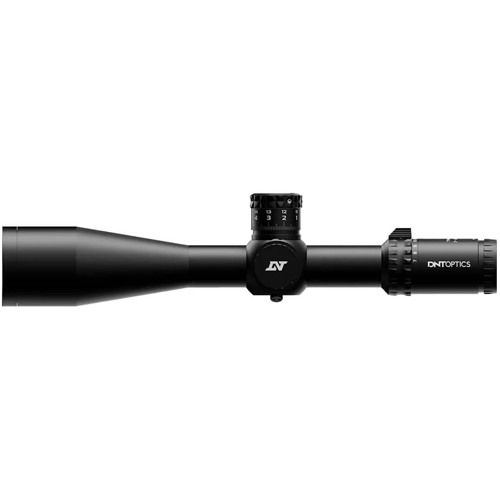 Riflescopes offer magnification, making them ideal for precision shooting at medium to long distances. They come in different magnification ranges, from fixed magnification (for example 4x) to variable magnification (such as 3-9x or even 5-25x). For hunters and long-range shooters, a good riflescope is indispensable.
Advantages of traditional riflescopes:
- Magnification makes shooting at longer distances possible
- Better sight picture in low light conditions
- Reticles offer reference points for wind correction and distance estimation
- Ideal for precision shooters and hunters
- More information about the target (details are more visible)
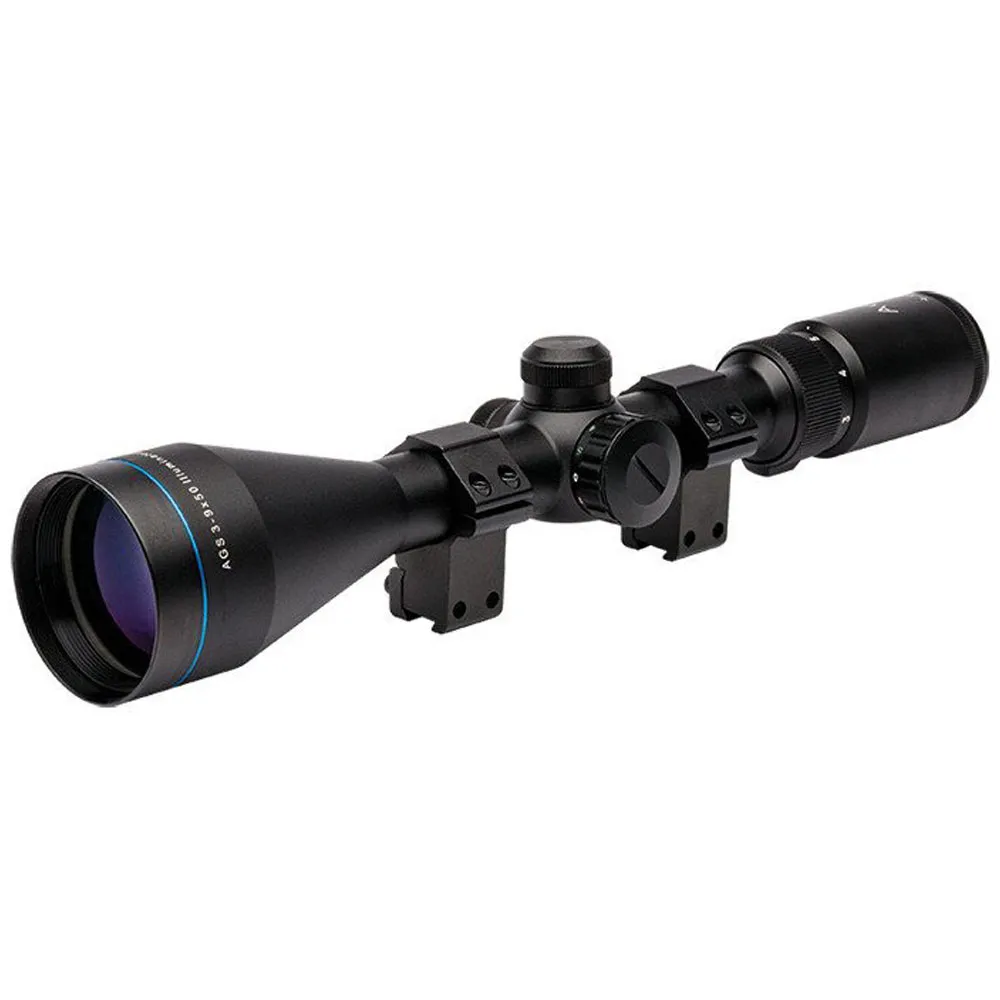
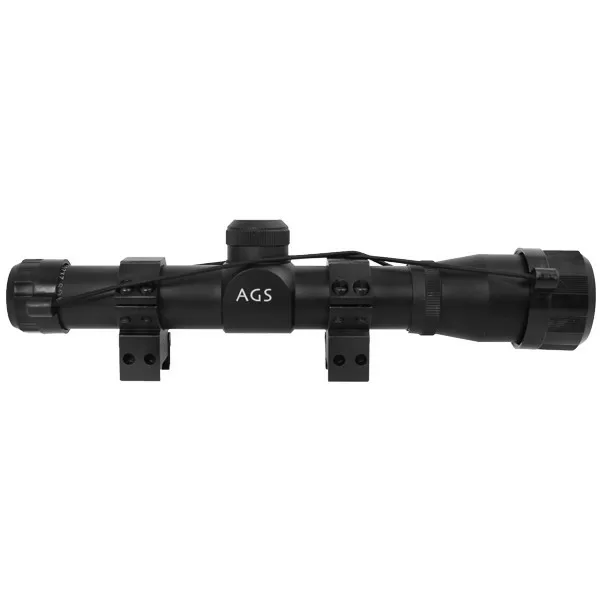
An excellent entry-level model in our range is the Cobalt 3-9x50 IR from AGS. This offers a variable magnification of 3-9x, making it versatile for different distances. It's also shockproof, making it suitable for powerful air rifles up to 75 Joules and rimfire rifles.
For the serious long-range shooter, we recommend the Element Optics Theos 6-36x56. With its impressive magnification range, APR-2D reticle in the first focal plane, and advanced turret system with zero-stop function, this riflescope represents the pinnacle of precision engineering.
Red dot sights
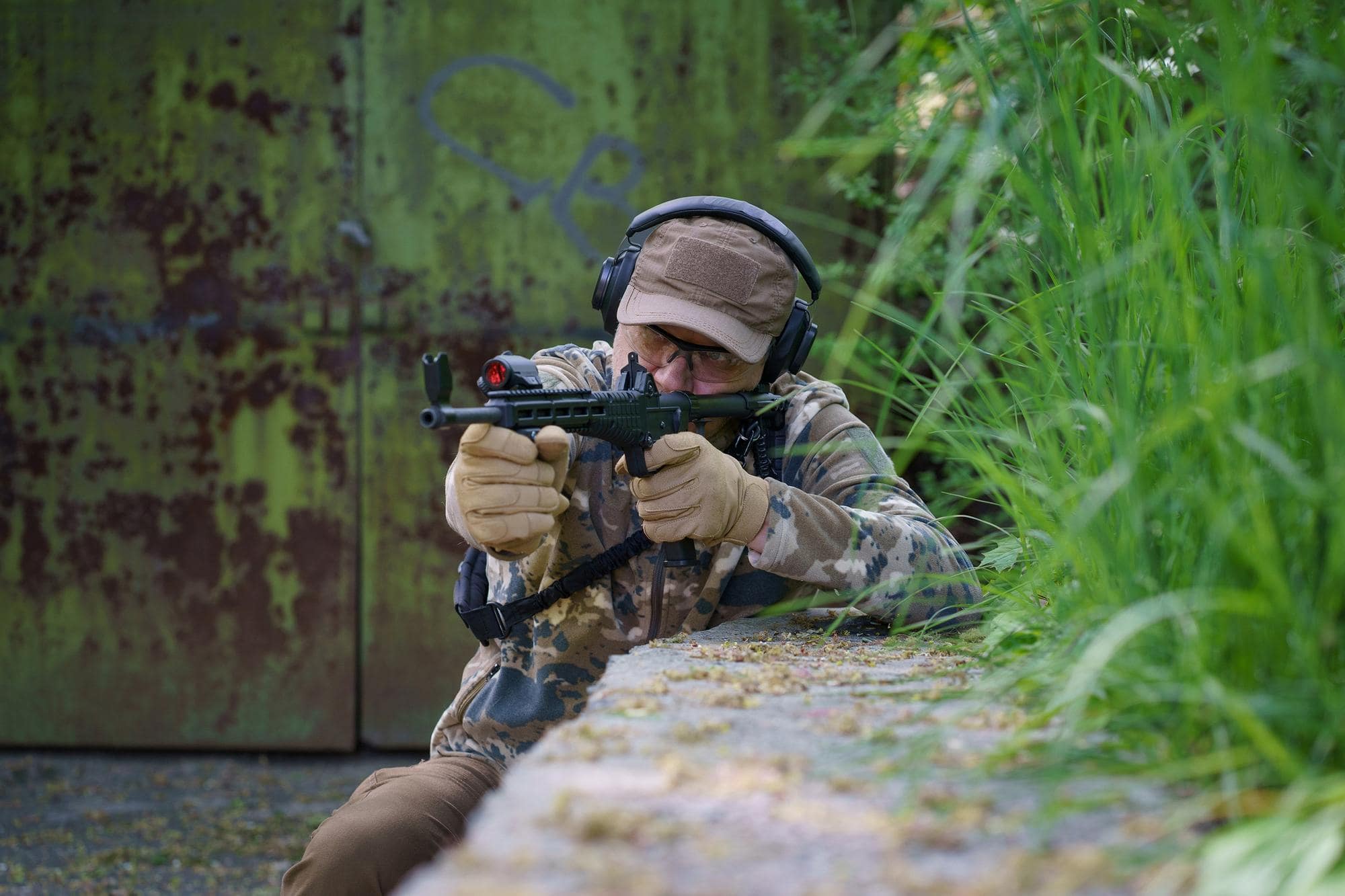
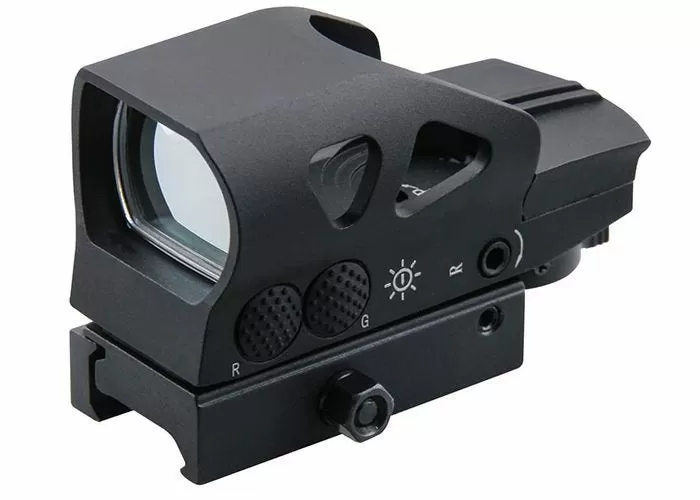
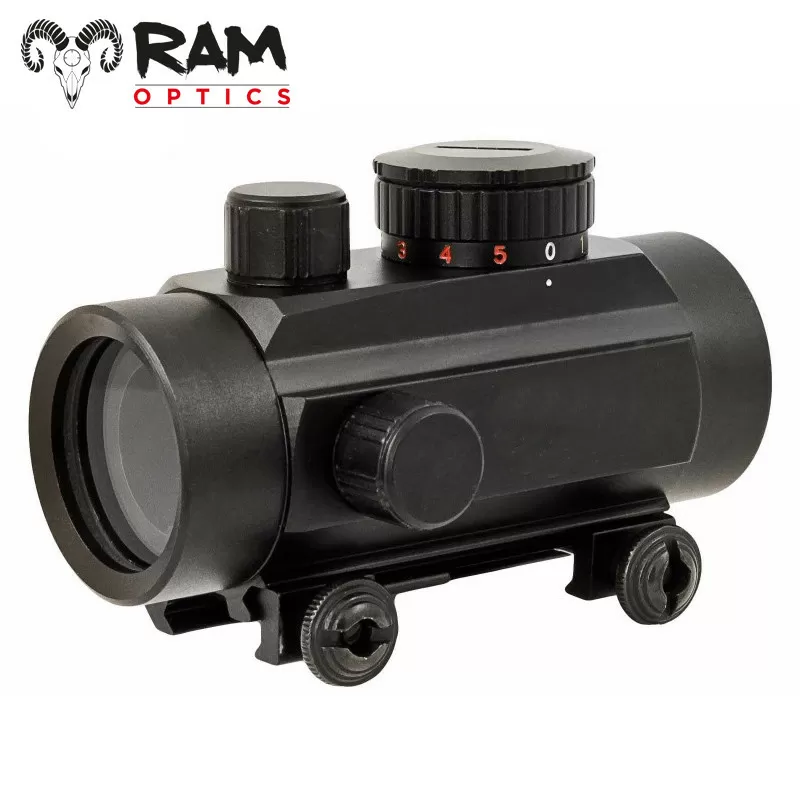
 Red dots are non-magnifying optics that project an illuminated dot onto a lens, allowing you to aim quickly without perfectly aligning your eye with the optic. They're ideal for fast target acquisition at short to medium distances.
Advantages of red dots:
- Very quick target acquisition
- Easy to use with both eyes open (better awareness of surroundings)
- No parallax issues
- Lighter and more compact than riflescopes
- Perfect for dynamic shooting and tactical applications
The Vector Optics Ratchet Gen II red dot is an excellent option in our range. This lightweight optic offers four different adjustable reticles that can be illuminated in red or green, with five different brightness settings.
For those looking for something sturdier, we offer the Maverick Gen II red dot, designed for versatile use in all weather conditions.
Understanding riflescope components
To choose the right riflescope, it's important to understand the terminology. These are the key components and specifications to look for:
Magnification range
 The first thing you see in a riflescope's specifications is often the magnification range, for example 3-9x40. Here, 3-9x means the scope offers variable magnification between 3 and 9 times. A fixed magnification would simply be indicated as, for example, 4x.
As a simple rule:
- 1-4x or 1-6x: Ideal for dynamic shooting and short distances (up to 100 metres)
- 3-9x or 4-12x: Versatile range for hunters and general use (100-300 metres)
- 5-25x or higher: For long-range shooting and precision purposes (300+ metres)
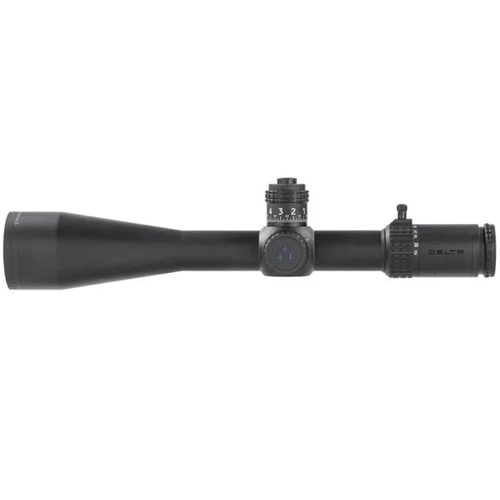
In our range, you'll find riflescopes for every need, from the 4x32 AGS Mil Dot for short distances to the impressive Delta Optical Stryker HD 5-50x56 for extreme precision at long range.
Objective diameter
The second number in the specification (for example 3-9x40) refers to the diameter of the front lens in millimetres. A larger lens captures more light, resulting in a brighter image, especially in low light conditions. The downside is that larger lenses result in heavier and bulkier riflescopes.
As a rule of thumb:
- 20-32mm: Lightweight, but less light gathering
- 40-44mm: Good balance between light gathering and weight
- 50-56mm: Excellent light gathering, ideal for twilight and serious long-range applications
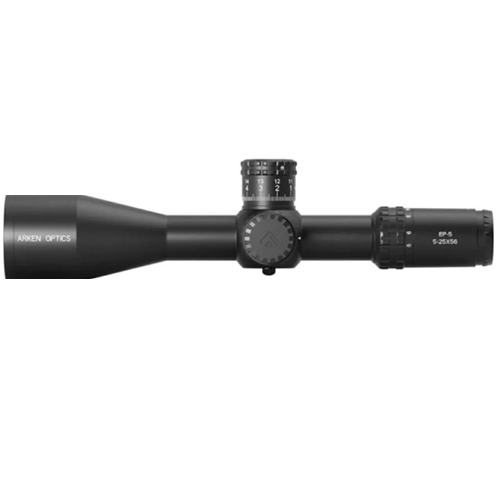
The Arken EP-5 5-25x56 VPR MIL is a good example of a riflescope with a large 56mm front lens, which thanks to high-quality Japanese ED lenses offers a crystal-clear image, even in low light conditions.
First vs. second focal plane
 An important feature of riflescopes is the focal plane in which the reticle is located:
- First Focal Plane (FFP): The reticle changes in size as you adjust the magnification. This means the measuring points in the reticle are always accurate at all magnification levels, making ballistic calculations simpler.
- Second Focal Plane (SFP): The reticle stays the same size, regardless of magnification. This means the measuring points are only accurate at one specific magnification (usually maximum).
FFP riflescopes like the DNT TheOne 7-35x56 TOR MIL are becoming increasingly popular for long-range shooting, while SFP riflescopes like the Delta Optical Stryker HD 5-50x56 MIL SFP are often preferred by hunters and recreational shooters.
Reticle types
The type of reticle in your riflescope has a major influence on your shooting experience and precision. The most common reticle types:
- Duplex: A simple crosshair with thicker outer lines and a fine centre point. Ideal for hunting and general use.
- Mil-Dot: Contains dots at fixed intervals along the horizontal and vertical lines, used for ranging and bullet drop compensation.
- MOA-based: Similar to Mil-Dot, but uses minutes of angle (MOA) instead of milliradians.
- BDC (Bullet Drop Compensator): Designed for specific calibres, with markings for different distances.
- Purpose-designed reticles: Such as the APR-2D on the Element Optics Theos, specifically designed for precision shooting.
For beginners, we recommend simple reticles like the duplex or a basic Mil-Dot. As your skills develop, you can move to more advanced reticles that provide additional information for ballistic calculations.
Choosing the right riflescope for your specific needs
Now that you understand the basics, let's look at how to choose the right riflescope for different applications.
For hunters
 As a hunter, you need a reliable, versatile riflescope that can perform in different conditions:
- Magnification range: 3-9x or 4-12x is ideal for most hunting situations
- Objective diameter: 40-50mm provides good light gathering for twilight
- Focal plane: SFP is often sufficient and more affordable
- Reticle: Duplex or simple BDC
- Durability: Waterproof, shockproof and fog-proof properties are important
The Cobalt 3-9x50 IR is an excellent choice for hunters, with its sturdy construction, Mil-Dot reticle with red/green illumination, and excellent optical quality.
For precision shooting and competitions
Long-range precision shooting requires riflescopes with specific features:
- Magnification range: 5-25x or higher for detailed sight at long range
- Objective diameter: 50-56mm for maximum light gathering and sharpness
- Focal plane: FFP is recommended for consistent ballistics
- Reticle: Advanced MIL or MOA reticles with many reference points
- Turrets: Precise, adjustable turrets with zero-stop function
- Parallax adjustment: Important for accurate shooting at different distances
For serious precision shooting, we recommend the Element Optics Theos 6-36x56, with its impressive magnification range, FFP APR-2D reticle, and advanced turret system. For those with a slightly smaller budget, the Arken EP-5 5-25x56 is an excellent alternative.
For tactical and defensive applications
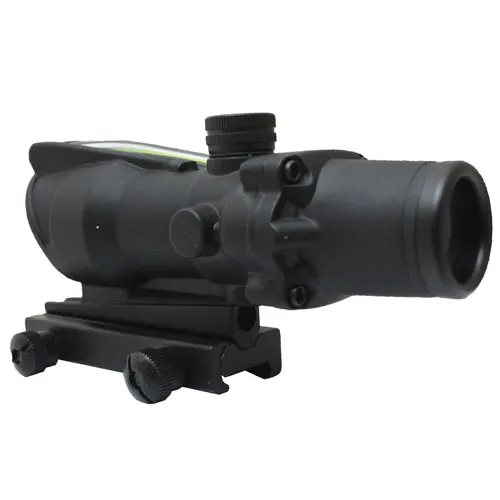 Tactical situations require speed, reliability, and versatility:
- Type: Red dots or riflescopes with low magnification (1-6x)
- Reaction speed: Being able to get on target quickly is important
- Sturdiness: Must be able to take a beating
- Illumination: Illuminated reticle or dot for use in different light conditions
For tactical applications, the Maverick Gen II red dot is an excellent choice, with its sturdy construction and versatile usage possibilities. The Green Fiber Optic ACOG sight offers an interesting alternative with its fibre optic technology that doesn't require batteries.
For air rifles and low-energy weapons
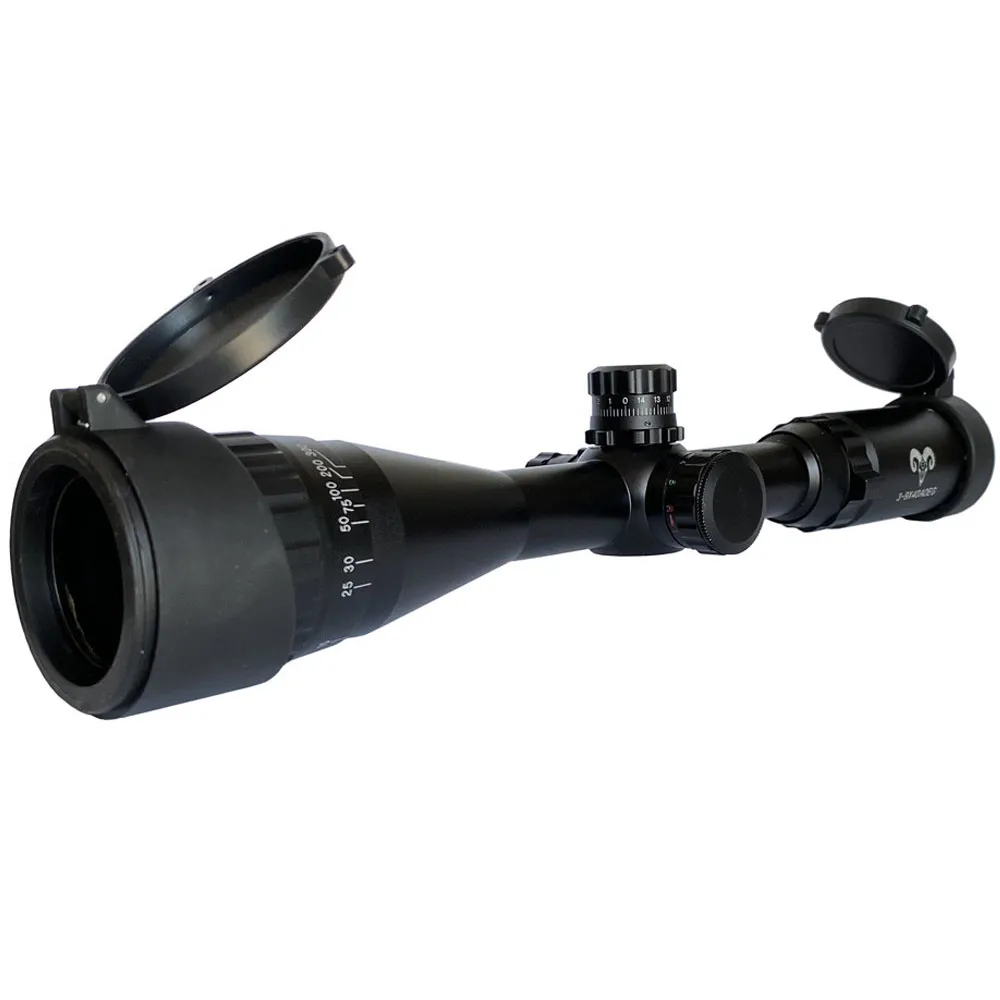 Air rifles have specific requirements due to their unique recoil characteristics:
- Shock resistance: Must withstand the 'double recoil' of spring air rifles
- Magnification range: 3-9x or 4-12x is usually sufficient
- Parallax adjustment: Important for accuracy at short distances
The RAM Riflescope 3-9x40 AO is specially designed for air rifles, with parallax adjustment and nitrogen filling to prevent fogging. For pistol enthusiasts, we offer the AGS 2x20 Pistol riflescope, specifically designed for the larger eye relief in pistol shooting.
Improve your shooting precision with the right technique
A good riflescope is important, but the right technique is equally important. These tips will help you improve your shooting precision:
Proper mounting and settings
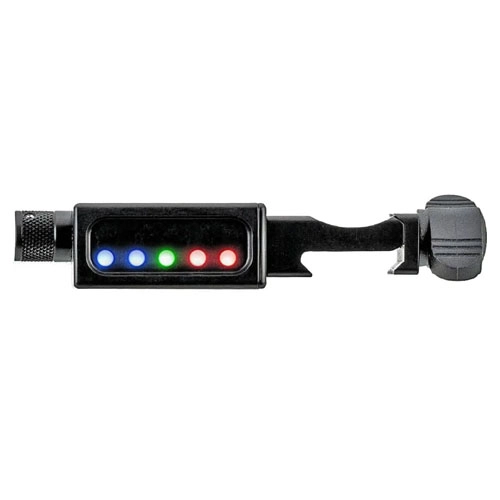 Even the best riflescope performs poorly if it's not properly mounted or adjusted:
- Use quality mounts that fit your weapon and riflescope
- Ensure the correct torque when tightening mounting screws (use a torque screwdriver for best results)
- Learn your turrets - understand exactly how much a 'click' moves your bullet path
- Set the ocular correctly so the reticle is sharp for your eye
- Understand parallax adjustment and use it for different distances
A handy addition for any precision riflescope is the MDT LRA Send iT - MV3 electronic level. This handy tool attaches to your Picatinny rail and stays in your peripheral vision while you look through your riflescope, so you always know if your weapon is perfectly level.
Breathing technique
Your breathing has a major influence on your shooting stability. A good technique is:
- Breathe normally while getting your target in sight
- Exhale halfway and hold your breath
- Take the shot within 3-5 seconds
- If you don't shoot within that time, relax, breathe again and start over
With regular practice, this cycle becomes a natural part of your shooting routine.
Trigger control
Poor trigger control can ruin all your efforts for accurate aiming:
- Place the centre of your fingertip (not the tip or the joint) on the trigger
- Press gradually increasing in a straight line backwards
- Be surprised by the shot - anticipating leads to "pulling"
- Keep your finger on the trigger during recoil and follow through
Dry firing (with a safe, unloaded weapon) is an excellent way to improve your trigger control without using ammunition.
Using support
For maximum stability, good support is important:
- Use a bipod or shooting stick for the front of your weapon
- Support the back with a filled sandbag or your non-dominant hand
- Avoid contact with hard surfaces as much as possible
- Try different positions to find what works best for you
Pay attention to your body posture - even with good support, a poor posture can negatively affect your accuracy.
Maintaining your optics
A good riflescope can last many years if you maintain it properly. These tips will help protect your investment:
Daily maintenance
A few simple habits can significantly extend the lifespan of your riflescope:
- Use lens caps when your riflescope is not in use
- Remove dust with a soft lens brush before you start cleaning
- Use only special cleaning products for optical lenses
- Clean lenses carefully with microfibre cloths in a circular motion
- Store your riflescope in a dry environment when not in use
Avoid touching lens surfaces with your fingers - fingerprints contain oils that are difficult to remove and can damage the coatings.
Periodic maintenance
In addition to daily maintenance, you should periodically:
- Check if mounts are still firmly tightened (but not too tight!)
- Check the turrets for dirt or damage
- Check for moisture inside the riflescope - a sign that the seal may be damaged
- Check the zero by regularly zeroing in
If your riflescope has been exposed to very humid conditions or salt water, it's extra important to clean thoroughly to prevent corrosion.
Understanding investment value: budget vs. high-end
One of the most common questions we receive is: "How much should I spend on a riflescope?" The answer depends on your specific needs, but here are some guidelines:
Budget options (under €200)
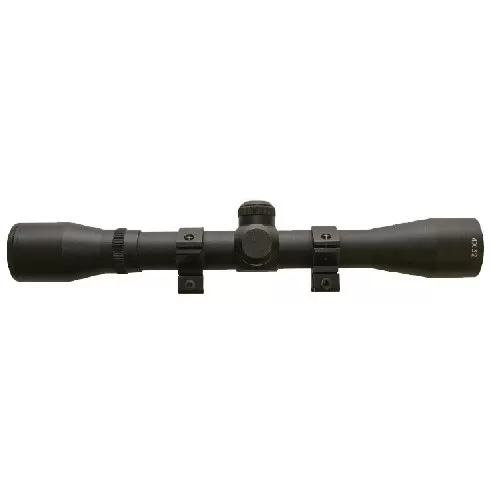
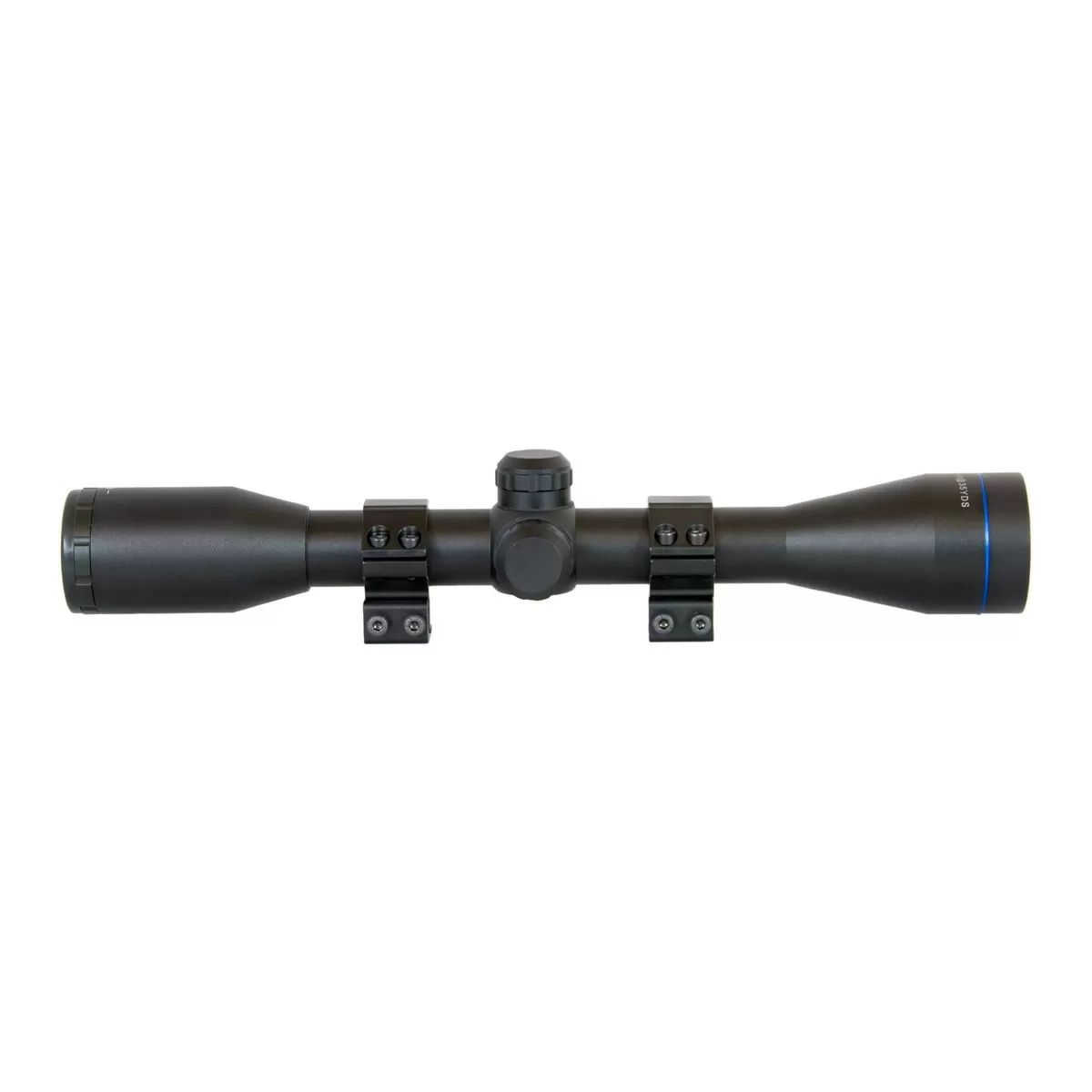 Riflescopes in this price range, such as the Cobalt 3-9x50 IR (€119) or the RAM 3-9x40 AO (€117.50), are excellent for:
- Beginners exploring the sport
- Recreational shooting at shorter distances
- Air rifles and .22LR firearms
- Backup options or for secondary weapons
These riflescopes offer good performance for their price, but don't expect them to match the optical quality, durability, or precision of more expensive models.
Mid-range options (€200-800)
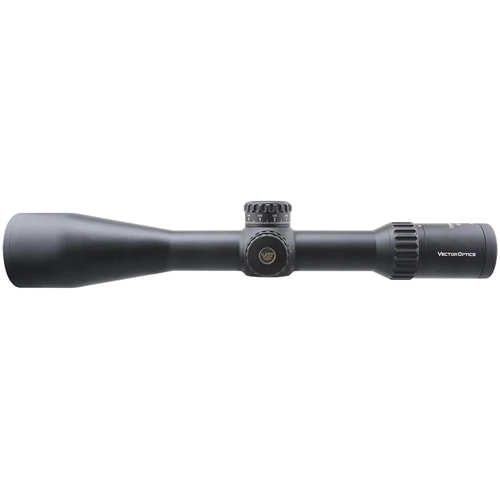 Riflescopes in this range, such as the Arken EP-5 5-25x56 (€649) or the Vector Optics Continental 5-30x56 (€749), offer:
- Significantly better optical quality
- More reliable mechanical components
- Better performance in low light
- Better features such as FFP reticles and illuminated reticles
- Better waterproof and shockproof properties
This segment offers excellent value for money for serious shooters developing their skills.
Premium options (€800+)
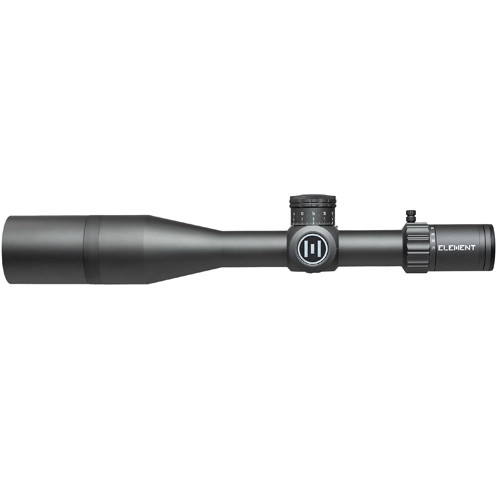 High-end riflescopes such as the Element Optics Theos 6-36x56 (€2,595) or the Delta Optical Stryker HD 5-50x56 (€1,695) offer:
- Superior optical clarity and sharpness
- Excellent performance in low light
- Exceptional mechanical precision and repeatability
- Advanced reticles for ballistic calculations
- High-quality construction that lasts for years
- Extended warranties and customer service
These riflescopes are ideal for competition shooters, professional hunters, and long-range specialists for whom absolute reliability and precision are essential.
Finding the right balance
A good rule of thumb is to spend about as much on your riflescope as on your weapon. For a €1,500 precision rifle, you should therefore consider a riflescope of about €1,000-2,000 for optimal results.
Also remember that a quality riflescope can outlast multiple weapons - it's a long-term investment that can enormously improve your shooting experience.
Special applications and new technologies
The world of optics is constantly evolving. A few interesting options for specific needs:
Night vision and thermal optics
For nighttime applications, there are different options:
- Traditional night vision devices like the Night Vision Monocular, which amplify available light
- Thermal riflescopes that detect and visualise heat patterns
- Digital night vision that combines the best properties of both
These technologies make it possible to shoot in near-complete darkness, but keep in mind that there may be legal restrictions on their use for hunting or other applications.
Tactical lighting
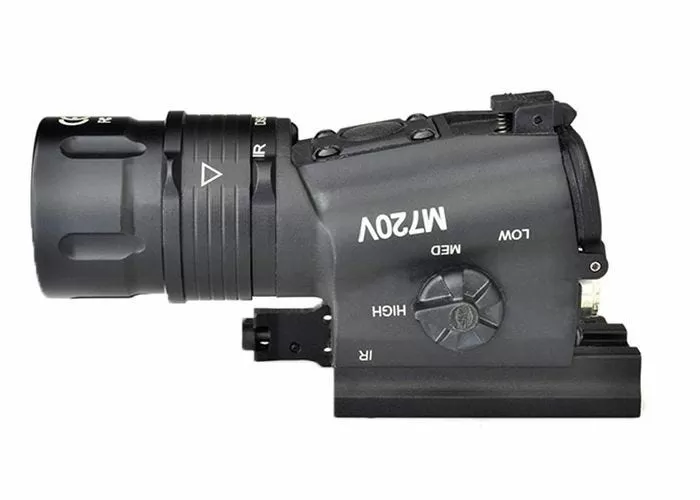 In low light situations or during dynamic shooting, tactical lighting can make a big difference. The Element M720V Tactical lamp offers 200 lumens white light and a strobe function, ideal for tactical applications or identifying targets in the dark.
Electronic levels
As mentioned earlier, an electronic level such as the MDT LRA Send iT - MV3 can be a valuable tool for precision shooting. These devices indicate when your rifle is perfectly level, which is important for accurate shooting at long range.
Frequently asked questions about optics
As a seller of shooting sports equipment, we receive daily questions about optics. These are the questions we get asked most often:
How long does a riflescope last?
A quality riflescope can last 10-20 years or longer with proper maintenance. Premium brands often offer lifetime warranties, showing their confidence in their products. Budget models usually last less long, but can still serve many years with normal use.
What do all those markings on my turrets mean?
Turret markings indicate how much your bullet path changes with each 'click' of the turret. The most common systems are:
- MOA (Minute of Angle): Traditional American system, often in 1/4 MOA steps
- MRAD/MIL: Metric system, typically in 0.1 MRAD steps
1 MOA corresponds to approximately 1 inch at 100 yards (2.9 cm at 100 metres), while 0.1 MRAD equals approximately 1 cm at 100 metres.
Can I mount a riflescope on any weapon?
In principle yes, but you need the right mounts that fit both your weapon and your riflescope. Factors to consider:
- Type of rail on your weapon (Picatinny, Weaver, dovetail, etc.)
- Diameter of the riflescope tube (usually 1 inch, 30mm or 34mm)
- Eye relief (distance between your eye and the ocular)
- Height of the mount for correct alignment
We can give specific advice for your combination of weapon and riflescope. Feel free to contact us for personal advice.
My riflescope loses its zero - what now?
If your riflescope doesn't hold its zero, check:
- Whether the mounting screws are still firmly tightened (but not too tight)
- Whether the turret screws are properly tightened
- Whether there's any damage to the riflescope or mounts
- Whether the internal mechanisms have been damaged by too much recoil
Quality riflescopes like the Element Optics Theos are designed to maintain their zero, even with intensive use. If the problem persists, contact the manufacturer or consider an upgrade to a sturdier model.
Invest in quality for lasting results
A good optic is more than an accessory, it's an important part of your shooting experience that directly influences your performance and enjoyment. Whether you're a beginning shooter looking for your first riflescope, or an experienced marksman considering an upgrade, we hope this guide has helped you better understand what you need.
Remember that the best riflescope is the one that fits your specific needs, shooting style, and budget. An expensive riflescope on a weapon you rarely use may not be the best investment, while a budget option on your favourite precision rifle can limit your results.
At hop.nl, we offer a wide range of optics for every need and budget. From affordable entry-level models to high-end precision optics, we have options that can take your shooting skills to the next level.
Do you have questions or would you like personal advice on which optic best suits your situation? Contact us. Our team of experienced shooters is ready to help you find the right match.
And don't forget: a good optic is just the beginning. Combine it with regular practice, good technique, and proper maintenance of your weapon, and you'll be amazed at how much your shooting performance can improve.
Finally: invest in the best optic you can afford. It's a decision you'll be happy with every time you hit your target.