


A bolt-action rifle represents an investment of thousands of euros for many shooters. Whether you hunt, participate in precision shooting, or compete in F-Class matches, proper maintenance is essential to keep your rifle performing optimally for years to come. In this article, we'll take you through the complete maintenance process step by step: from cleaning the barrel to lubricating the bolt and everything in between.
Note: always perform maintenance on an unloaded firearm. Check the chamber and magazine before you begin.
Why regular firearm maintenance matters
After every shot, residue remains in your barrel and action. Copper from bullet jackets deposits in the lands and grooves, carbon accumulates in the chamber and firing pin channel, and moisture can cause rust on unprotected metal surfaces. This contamination directly affects the precision and lifespan of your rifle.
In precision shooting, even small copper deposits can make the difference between a shot in the bullseye or just missing it. Copper slightly changes the internal diameter of your barrel, which affects bullet engagement and consequently the trajectory. Regular cleaning prevents these problems and ensures your rifle performs consistently, shot after shot.
Supplies needed for cleaning your bolt-action rifle
Before you start, make sure you have the right equipment on hand. A proper cleaning kit consists of:
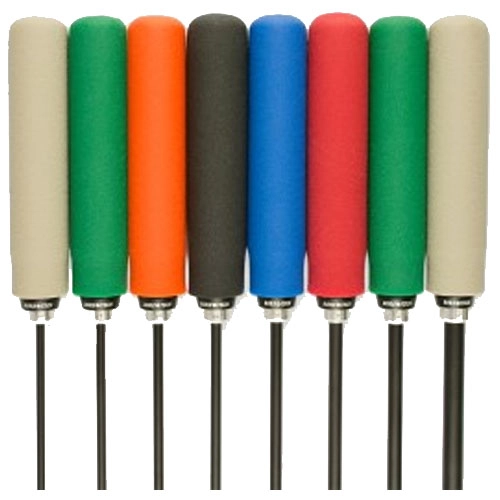
- One-piece cleaning rod – A high-quality, one-piece cleaning rod prevents dirt from being pushed back into the barrel. The BoreTech Bore Stix is made of carbon fiber and won't damage the bore.
- Bore guide – Protects the chamber and keeps the cleaning rod centered. Prevents damage to the lands.
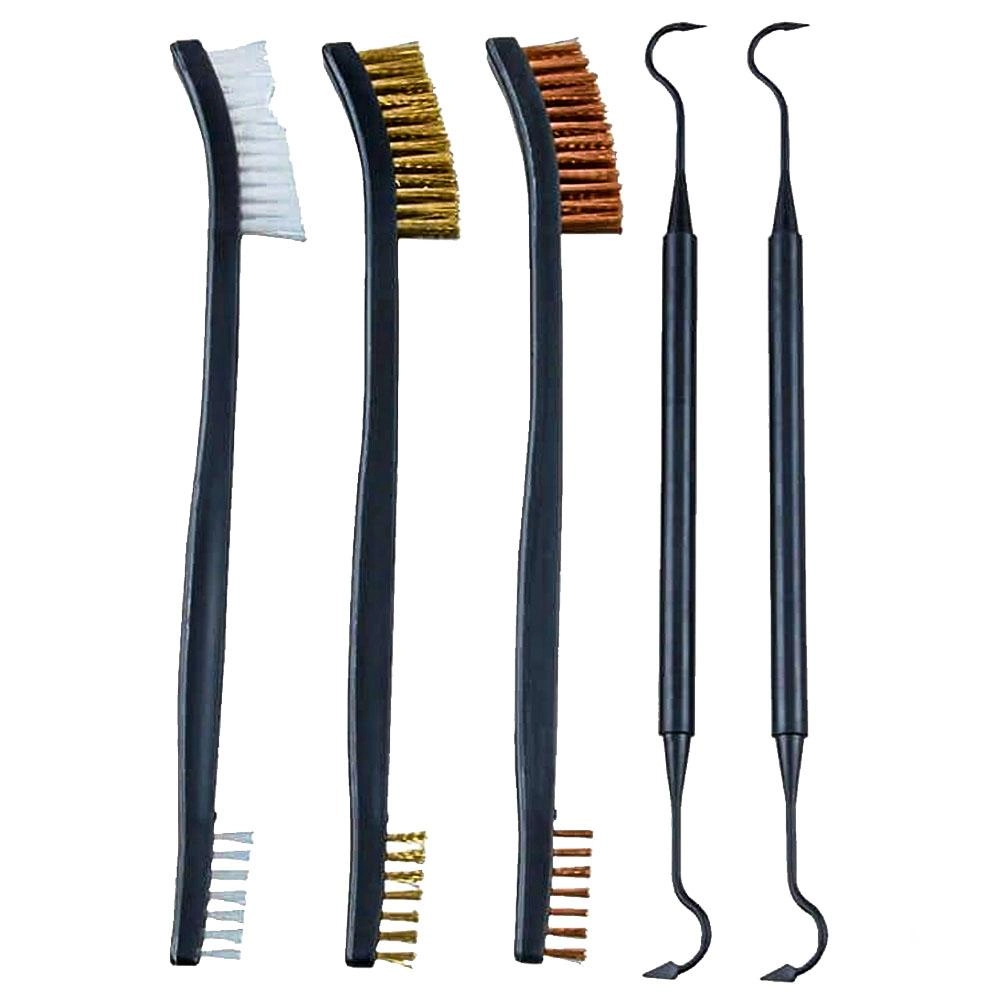
- Bronze brushes – For loosening stubborn copper and carbon deposits.
- Nylon brushes – For gentler cleaning and use with more aggressive solvents.
- Patch holder – For pulling cotton patches through the bore.
- Cleaning patches – Always use the correct size for your caliber.
- Cleaning kit for small parts – Including tweezers, cleaning picks, and brushes for the bolt and action.
Cleaning solvents: choose the right product for the job
Not all bore cleaners are created equal. Depending on the type of contamination, you choose a specific cleaning agent:
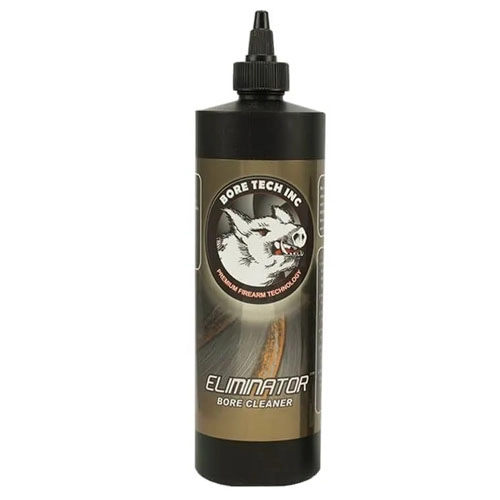
- BoreTech Eliminator – An all-in-one bore cleaner that removes both copper and carbon. Ideal for regular maintenance after a day of shooting.
- BoreTech Cu+2 Copper Remover – Specifically for stubborn copper deposits. This product turns blue when it reacts with copper, so you know exactly when the bore is clean.
- BoreTech C4 Carbon Remover – Specifically for removing stubborn carbon buildup, especially effective in the chamber and gas block system.
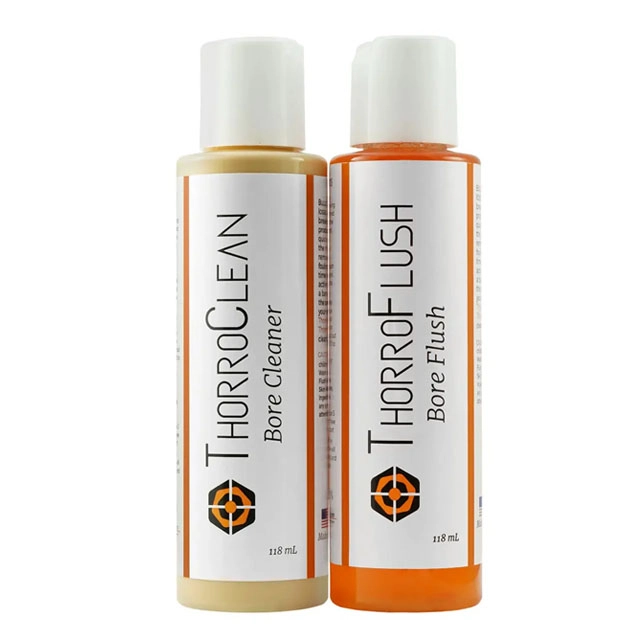
- ThorroClean Bore Cleaning System – A complete cleaning system with multiple components used in the correct sequence for maximum results.
Step 1: Cleaning the barrel
Cleaning the barrel is the most important step in the maintenance process. Follow this method for the best results:
Preparation
Remove the bolt from the rifle and place the bore guide in the chamber. The bore guide ensures the cleaning rod stays centered and prevents cleaning fluid from leaking into the action.
Initial cleaning with solvent
Soak a patch in BoreTech Eliminator and pull it through the bore once, from chamber to muzzle. Remove the patch at the muzzle end and pull the rod back without the patch. Repeat this three to five times to thoroughly wet the bore with solvent.
Soak time
Let the solvent soak for at least 10-15 minutes. During this time, the product dissolves copper and carbon deposits. For severe contamination, you can extend the soak time to 30 minutes.
Brushing
Wet a bronze brush with solvent and make 10-15 complete passes through the bore. Make sure the brush completely exits the bore before reversing direction, otherwise you'll damage the lands at the muzzle.
Dry patching
Pull dry patches through the bore until they come out clean. With BoreTech products, you'll see the patches turn blue if copper is still present. Keep patching until the patches remain white.
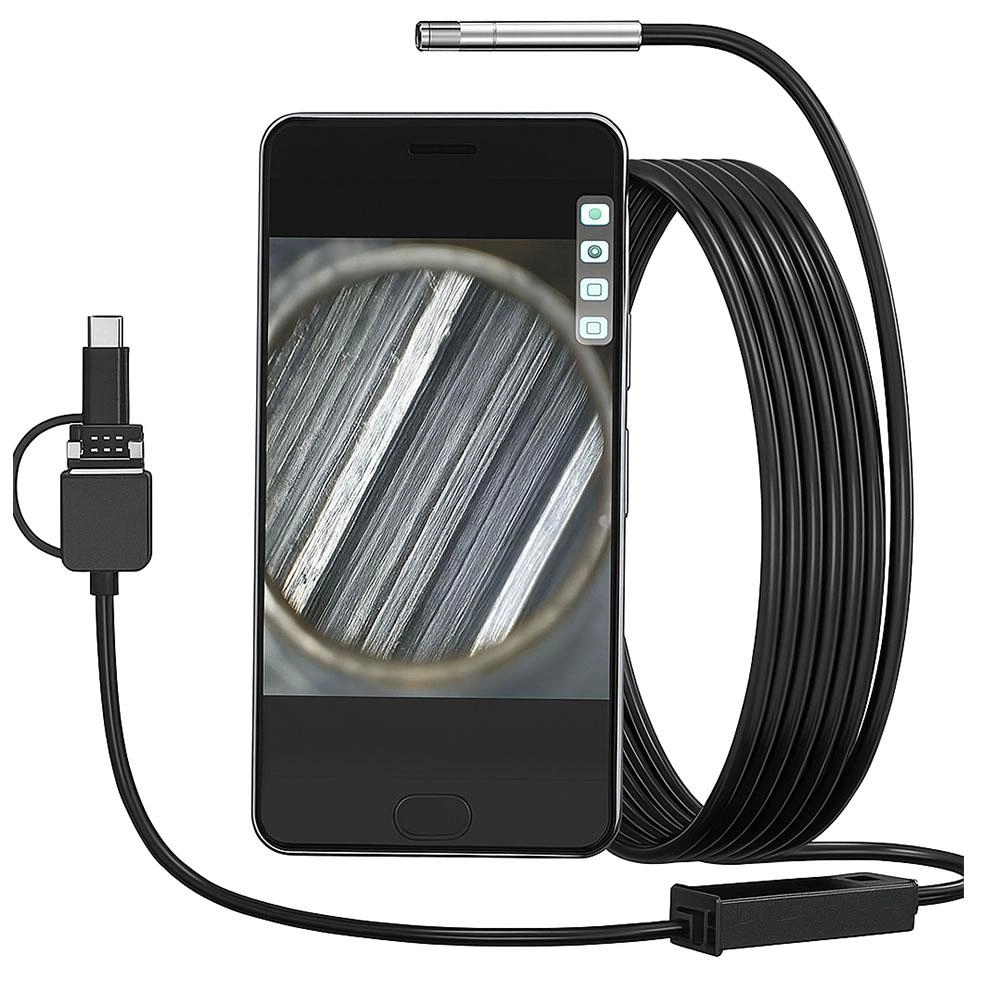
Inspect with a borescope
For the best inspection, use a borescope. This allows you to look directly into the bore and see any remaining copper deposits or damage. This is especially useful for precision rifles where every imperfection counts.
Step 2: Cleaning the chamber
The chamber is often forgotten, but is at least as important as the barrel itself. Carbon buildup in the chamber can lead to extraction problems and inconsistent headspace.
Use a wool chamber brush soaked in solvent to thoroughly clean the chamber. Rotate the brush several times and work the solvent in well. Let it soak briefly and remove the residue with a patch.
For stubborn carbon buildup in the chamber, the BoreTech C4 Carbon Remover is particularly effective. This product is specially developed for dissolving burned carbon layers.
Step 3: Cleaning and lubricating the bolt
The bolt is the heart of your bolt-action rifle and deserves special attention. Regularly disassembling and cleaning the bolt prevents malfunctions.
Disassembly
Disassemble the bolt according to the manufacturer's instructions. With most bolt-action rifles, you can remove the firing pin, extractor, and firing pin spring for thorough cleaning.
Cleaning
Remove all old oil and dirt with a clean cloth or cotton swabs. The firing pin channel deserves extra attention; carbon residue can accumulate here and slow down firing pin movement.
Use the Gunpany cleaning set with fine brushes and cleaning picks to get into all corners and crevices. The picks are ideal for removing dirt from the extractor groove.
Lubrication
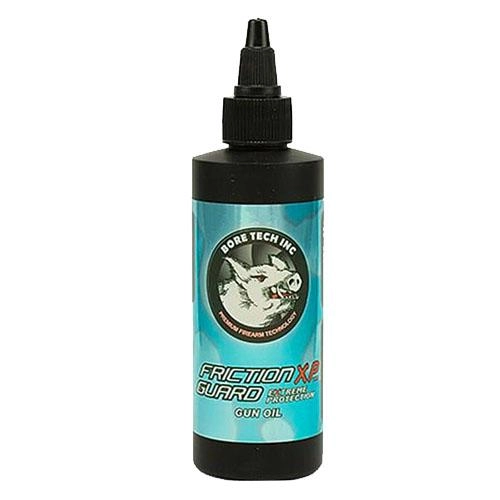
After cleaning, apply a thin layer of BoreTech Friction Guard XP gun oil to the bolt. Focus on the locking lugs, the raceway, and the firing pin tip. Use sparingly: too much oil attracts dust and dirt.
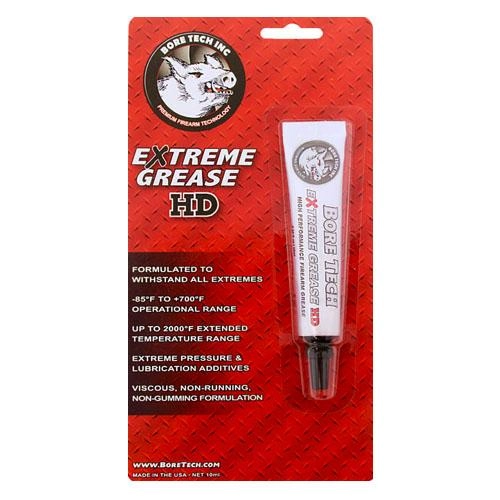
For the locking lugs and other heavily loaded contact points, you can also use a small amount of BoreTech Extreme Grease HD. This grease provides excellent wear protection under high pressure.
Step 4: The action and receiver
The trigger assembly and the interior of the receiver need less frequent maintenance, but should not be forgotten. Remove dirt and dust with compressed air or a soft brush. Lubricate the trigger sparingly, as too much oil can make the trigger heavier.
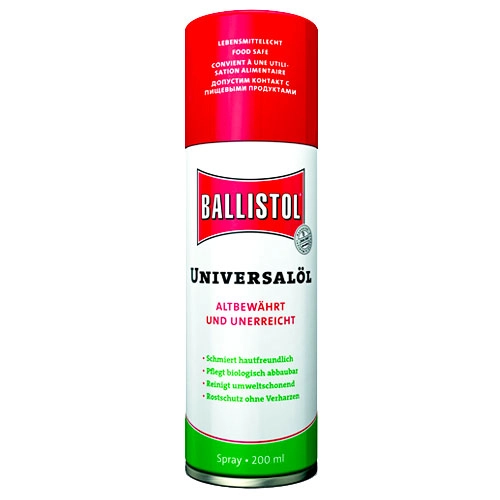
The exterior of the receiver and the stock can simply be wiped down with a lightly oiled cloth. Ballistol is an excellent choice for this: it's safe for wood, metal, and plastic.
Step 5: Applying rust protection
After cleaning, your firearm is temporarily unprotected against corrosion. Apply a thin layer of protective oil to all metal surfaces. This is especially important if you're storing the firearm for an extended period.
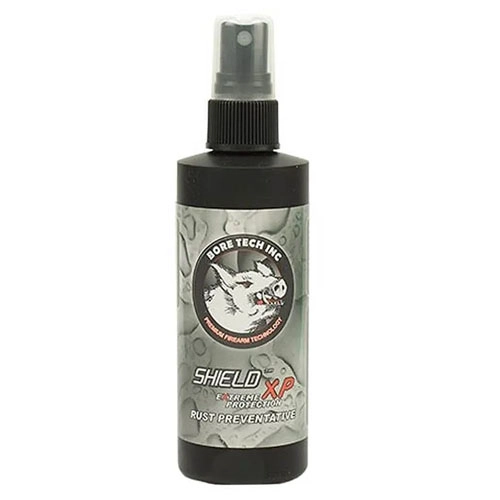
The BoreTech Shield XP Rust Preventative is specially developed for long-term rust protection. Pull a lightly oiled patch through the bore and rub the exterior with a thin layer. This protective layer remains active, even in humid conditions.
For storage in a gun safe, you might also consider using rust-preventive aids, such as the Silent Dry Vaportack cartridges, which release corrosion-inhibiting vapors in an enclosed space.
How often should you clean your bolt-action rifle?
The frequency of maintenance depends on usage:
- After every shooting day – At minimum, clean the barrel and apply a protective oil layer.
- Every 100-200 shots – Thorough cleaning including copper removal and bolt maintenance.
- Annually – Complete disassembly and inspection of all parts, including the trigger assembly.
- After contact with water or extreme conditions – Immediate cleaning and thorough drying to prevent rust formation.
For competition shooters pursuing maximum precision, it's recommended to clean the barrel after every training session. Copper buildup directly affects the precision and consistency of your shots.
Common mistakes in firearm maintenance
Even experienced shooters sometimes make mistakes during maintenance. Here are the most common pitfalls:
- Using too much oil – More is not better. Excess oil attracts dirt and can lead to slow ignitions in the firing pin channel.
- Cleaning from muzzle to chamber – This pushes dirt into the chamber. Always clean from chamber to muzzle.
- Not using a bore guide – Without a bore guide, you can easily damage the lands at the chamber and solvent leaks into the action.
- Reversing brushes in the bore – Only reverse the brush when it has completely exited the bore, otherwise you'll damage the lands.
- Forgetting the chamber – Carbon buildup in the chamber causes extraction problems and inconsistent headspace.
In summary
Proper firearm maintenance is not a luxury but a necessity for every serious shooter. By regularly cleaning and lubricating your bolt-action rifle, you not only maintain precision but also extend the lifespan of your investment. Always use high-quality cleaning agents and tools, and take the time for thorough maintenance.
At Hop.nl, you'll find a complete range of firearm maintenance products from top brands like BoreTech, Ballistol, and Tipton. Do you have questions about maintaining your specific firearm? Feel free to contact us. We're happy to help.