

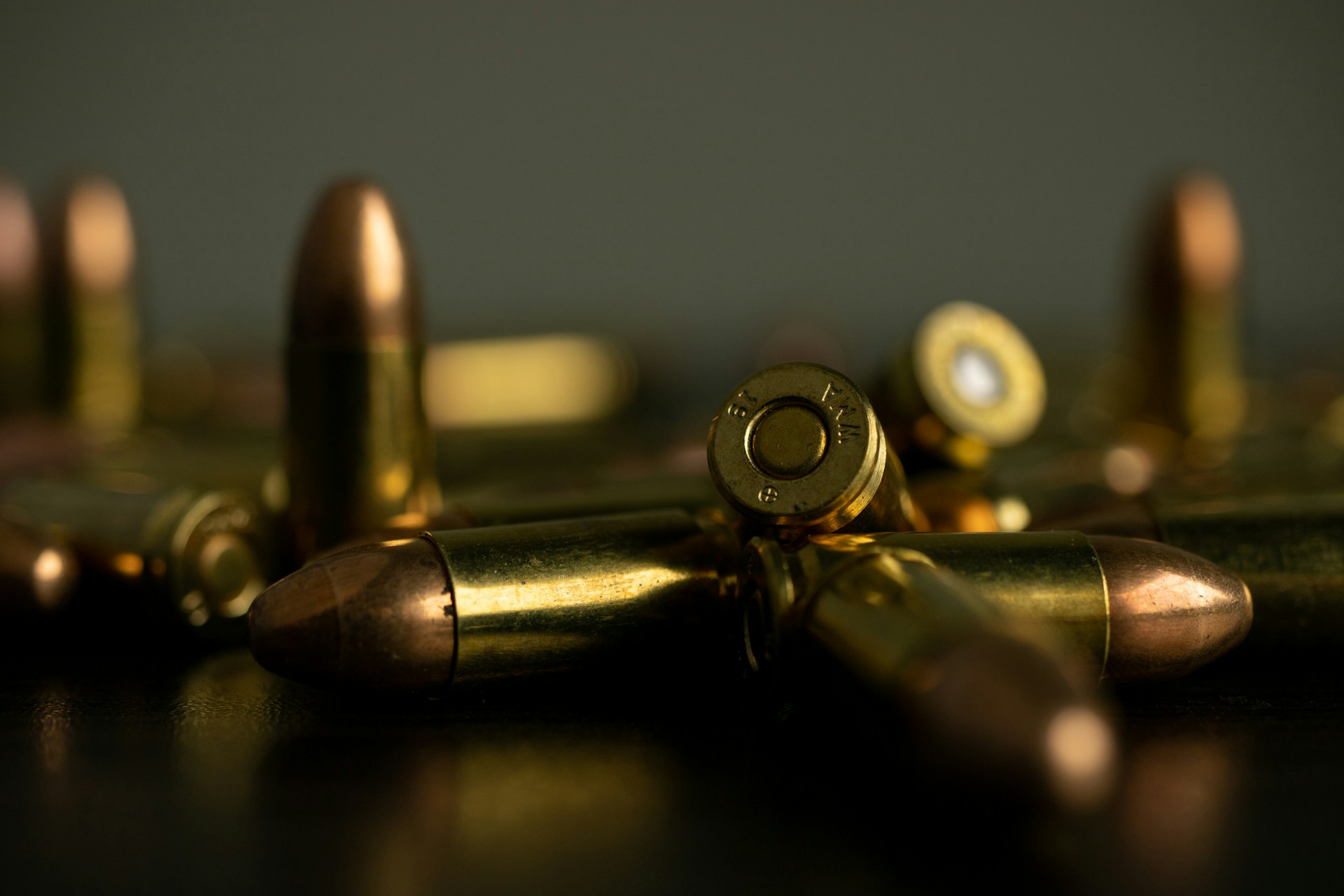
If you're just starting out with reloading your own ammunition, case preparation can seem a bit intimidating. There are so many steps and tools that it's easy to lose track. But don't worry! In this blog, I'll take you through the case preparation process step by step, from decapping to trimming. These are essential steps for creating consistent and reliable ammunition that fits your firearm perfectly.
Why is Case Preparation Important?
Let's first consider why case preparation is so important. When you fire a cartridge, the case expands due to the enormous pressure. When you want to reuse this case, you need to return it to the correct dimensions. This is not only important for safety but also for the accuracy of your shots.
Here are some reasons why proper case preparation is crucial:
Ensures your ammunition is safe to use
Improves the accuracy of your shots
Extends the lifespan of your cases
Ensures reliable feeding in your firearm
Saves you money in the long run
Step 1: Decapping - Remove Old Primers
The first step in the reloading process is often removing the old primers. This is called 'decapping' and it's important to do this before cleaning the cases. If you remove the primers first, the cleaning solution can better reach all parts of the case, including the primer pocket.
There are several ways to decap cases, but I recommend beginners start with a universal hand decapping tool or a specific decapping die. These tools are easy to use and relatively inexpensive.
The Universal Primer Decapping Die from Lee Precision is a good option for beginners. This die only removes the primer without resizing the case, which means you don't need lubricant. It works with cases up to .560" in diameter and 3.125" in length.
For those who prefer to work manually, the Universal Hand Depriming Tool from Frankford Arsenal is an excellent choice. In just 4 simple steps, you remove the spent primers from your cases. The convenient ejection system ensures you can easily remove the empty cases from the tool, and all spent primers are neatly collected in a catch tube.
Step 2: Cleaning - Make Your Cases Shine
After removing the primers, it's time to thoroughly clean your cases. Clean cases are not only more attractive but also work better in your reloading press and in your firearm. Additionally, inspecting cases for cracks or other issues becomes much easier.
There are several methods to clean your cases:
Dry cleaning with a tumbler and media (such as walnut granulate)
Wet cleaning with an ultrasonic cleaner
Cleaning with a rotary tumbler and stainless steel pins
For beginners, I recommend starting with a simple dry tumbler, such as the Quick-N-EZ Tumbler from Frankford. It's affordable and does the job well.
Step 3: Primer Pocket Cleaning - An Often Forgotten Step
After general cleaning of your cases, it's time to pay attention to the primer pockets. These are the small cavities where the new primers will be seated. If these are filled with residue from the old primers, your new primer may not seat properly or function correctly.
The Primer Pocket Brush from RCBS is a great tool for this task. It's essentially a small brush that fits precisely into the primer pocket and can be used to remove all residue.
Another useful tool is the Flash Hole Cleaner from Lyman, which you can use to clear the flash hole (the small opening that connects the primer to the powder chamber) of any obstructions.
Step 4: Sizing - Return Your Cases to Proper Dimensions
Now that your cases are nice and clean, it's time to return them to the correct dimensions. This is called 'sizing' and it's a crucial step in the reloading process. During firing, a case expands to conform to your firearm's chamber. For reuse, you need to return the case to its original dimensions.
For this step, you need a reloading press and a sizing die. There are different types of sizing dies, but for beginners, I recommend a full-length sizing die, such as the Full Length Die Set 308 Algäu Series from Triebel if you're working with .308.
Don't forget to lubricate your cases with a suitable lubricant before sizing. This prevents cases from getting stuck in the die. A good option is the Case Sizing Lube from Hornady.
Step 5: Trimming - Keep Your Cases at the Correct Length
During firing and the sizing process, cases tend to grow longer. If you don't trim them, they can eventually become too long to use safely. Trimming cases returns them to the correct length and ensures consistency.
There are various case trimmers on the market, from manual to electric models. The Ugly SRT Case Trimmer from Derraco is an excellent choice for both beginners and advanced reloaders.
For those looking for an all-in-one solution, the Platinum Case Prep Center from Frankford offers not only trimming functions but also tools for chamfering and flash hole cleaning.
Step 6: Chamfering and Deburring - The Finishing Touch
After trimming, your cases will likely have sharp edges on both the inside and outside of the case mouth. These need to be removed to ensure bullets can be seated smoothly into the case and to prevent bullet damage.
For this, you use a chamfering tool (for the inside) and a deburring tool (for the outside). The Case Neck Chamfer Tool from K&M Precision is a great option that guarantees a consistent chamfer.
For those who like to keep costs low, the Frankford Arsenal Case Prep Kit is a budget-friendly option that contains all the necessary tools for chamfering and deburring.
Advanced Case Preparation: Annealing
Although not strictly necessary for beginners, annealing is a technique that can significantly extend the lifespan of your cases. During annealing, the case neck is heated and then rapidly cooled. This makes the brass softer and more flexible, making it less susceptible to cracking after multiple reloading cycles.
If you're interested in annealing, the Ugly Annealer from Derraco Engineering is a good option for beginners and advanced reloaders alike. For even more control and precision, you can also look at the Mark II DB Induction Annealer, which offers a fully automated process.
Measuring Tools: Your Best Friend in Case Preparation
Finally, I cannot emphasize enough how important good measuring tools are in case preparation. A digital caliper such as the Digital Caliper from Frankford Arsenal is indispensable for measuring case lengths and other important dimensions.
For even more precision, you can look at specialized measuring tools such as the Ugly Headspace and Bullet Comparator Set from Derraco, which helps you accurately measure the headspace of your cases.
On Your Way to Perfectly Prepared Cases
Case preparation is a crucial part of the reloading process that should not be overlooked. By taking the time to properly prepare your cases, you ensure safer, more accurate, and more consistent ammunition.
As a beginner, you don't need to invest in all the high-end tools right away. Start with the basics, a decapping tool, a cleaning system, a sizing die, and a trimmer, and expand your arsenal as you gain more experience.
Remember that patience and attention to detail are the keys to success in reloading. Take the time to perform each step properly, and you'll be rewarded with ammunition that's perfectly tuned to your firearm.
Do you have questions about case preparation or reloading in general? Let us know! And don't forget to check out our complete collection of reloading supplies for everything you need to make your own ammunition.