


Everything You Need to Know About Homebrewing
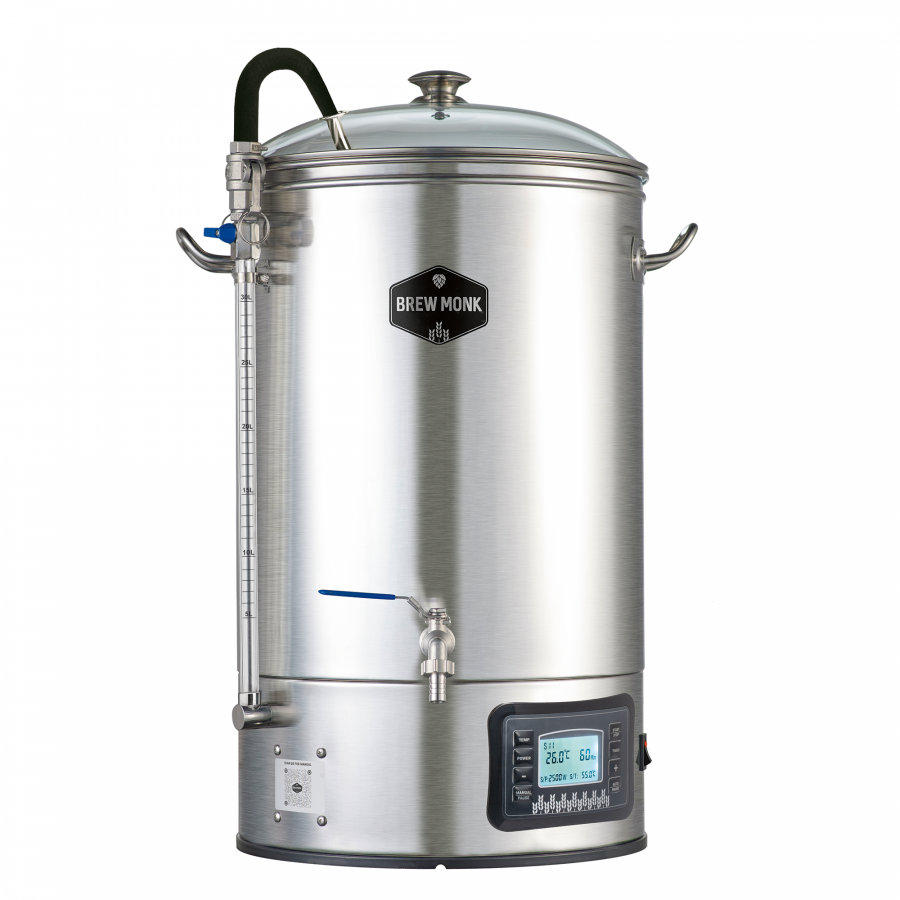 Welcome to the wonderful world of home brewing! This guide, titled “Everything You Need to Know About Home Brewing,” is the ultimate resource for learning how to brew your own delicious beers in the comfort of your own home.
Beer brewing is a craft that dates back to ancient times. Over the centuries, beer has undergone many transformations and has become a popular beverage around the world. In this homebrewing guide, we’ll take you on a fascinating journey through the history of beer, the different beer styles, and the art of brewing. Whether you’re a novice homebrewer just starting your first brewing adventure or an experienced brewer looking to hone your skills, this guide offers detailed instructions, helpful tips, and valuable insights that will help you brew excellent beers.
We’ll guide you through the entire brewing process, starting with the essential brewing supplies you’ll need, choosing the right brewing kit, grinding malt, and managing the fermentation processes. We’ll also teach you how to bottle, label, and store your homebrew, and even how to host your own beer tasting to impress your friends and family.
Home brewing not only offers a great way to express your creativity, but it also allows you to discover unique flavors and aromas that you won’t find in stores. Plus, you can share your brewing hobby with friends and family and enjoy the fruits of your labor together. So, what are you waiting for? Dive into this guide and discover everything you need to know about home brewing. From brewing kits to brewing accessories, brewing kettles, malt mills, bottling, and much more—we’ve got all the information you need to become a master brewer. Start your brewing journey today and discover the magic of brewing your own beer!
First things first: the history of beer
Beer is one of the oldest alcoholic beverages produced by humankind. The history of beer dates back thousands of years to the earliest civilizations in Mesopotamia, Egypt, and ancient Sumer. In this chapter, we’ll delve deeper into the fascinating history of beer and its evolution over the centuries. It all began with the discovery of wild grains, such as barley, which accidentally came into contact with water and began to ferment. People began to recognize the value of this fermented mixture and started drinking it. This marked the very beginning of beer brewing.
In ancient Mesopotamia—present-day Iraq—beer played an important role in daily life. It was used as a form of currency, consumed during religious ceremonies, and even attributed to the gods. The ancient Sumerians even had a goddess of beer named Ninkasi, to whom they offered prayers for a successful brewing process.
In ancient Egypt, beer was also an integral part of society. It was used as a source of nutrition, especially for the workers who built the pyramids. Beer was brewed in large quantities and served in earthenware jugs. With the rise of the Roman Empire, beer spread further across Europe. The Romans valued their wine more than beer, but beer brewing was introduced in various parts of the empire, such as Gaul (modern-day France) and Germania.
During the Middle Ages, monks became the guardians of the art of brewing. They brewed beer in monasteries and developed new techniques to improve the quality and flavor of beer. They perfected the use of hops as a natural preservative and developed various beer styles that remain popular to this day.
Over time, beer styles have evolved and adapted to different regions and cultures. From the refreshing lagers in Germany to the dark stouts in Ireland, every country has its own unique beer traditions and flavors.
With the advent of the Industrial Revolution and modern technologies, the brewing process was further streamlined, enabling breweries to produce beer on a large scale. This led to the rise of commercial beer brands and the spread of beer across the globe.
Today, a true craft beer revolution is underway, with homebrewers and small independent breweries creating new and innovative beers. People are increasingly interested in tasting and discovering different beer styles, and beer festivals and tastings are more popular than ever.
Beer Styles and Flavor Profiles
Beer, an ancient beverage that has long amazed and delighted humanity, has evolved into much more than just a refreshing drink. It has become an art form in its own right, with a wide range of aromas, flavors, and textures that make each beer style unique. Let’s delve into the fascinating world of beer and discuss some popular beer styles.
A beer style known to many and loved worldwide is the Pilsner. This beer style has its origins in picturesque Czech Republic, where beer brewing is a tradition dating back to the Middle Ages. Pilsners are light, clear, and thirst-quenching, with a subtle hop bitterness that’s perfectly balanced with a mellow maltiness. It’s a beer that refreshes you on a sunny day and subtly tantalizes your taste buds.
Moving on, we come across a beer style that has sparked a true revolution in the beer world over the past few decades: the India Pale Ale, better known as the IPA. This beer style is known for its pronounced hoppy character and high bitterness. IPAs are characterized by fruity and floral aromas, which are achieved through the use of specific hop varieties. The robust malt base provides perfect balance and gives the beer a deep character.
For lovers of dark beers, there’s stout, a beer style that has been appreciated for centuries. With its dark color, full body, and roasted malt flavors, stout offers a true taste sensation. It is a beer in which hints of chocolate and coffee combine with a silky-smooth texture, making every sip a delight for the senses. Guinness, one of the world’s most famous beer brands, is an excellent example of a classic stout.
For the adventurous beer lover, there’s the Tripel, a beer style that originated in charming Belgium. What sets the Tripel apart is its high alcohol content, slightly sweet flavor, and spicy aromas. The beer is rich in complexity, with a fruity character and a dry finish. The Tripel is a beer that requires patience and craftsmanship to brew, and the result is a true masterpiece of flavor.
For those looking for a refreshing and light beer, there’s the Witbier. With its cloudy, pale yellow color and smooth texture, the Witbier is a refreshing choice on hot summer days. This beer is brewed with wheat malt, which adds a special dimension to its flavor and texture. It often has hints of citrus and herbs, making it a refreshing and flavorful alternative to traditional beer styles.
The beer styles mentioned here are just a small selection from the vast array of beer styles available. Every country and region has its own traditional beer styles that are cherished by local brewers and beer enthusiasts. Exploring these different styles is like taking a journey through the history and culture of beer.
But understanding beer goes beyond simply knowing the different beer styles. It’s also about understanding the flavor profiles that beer can offer. Beer can range from sweet and malty to bitter and hoppy, from fruity and spicy to sour and funky. Understanding these flavor profiles is essential for selecting the right ingredients and techniques when brewing a specific beer style.
The brewing process itself is like a magical alchemy, in which different ingredients and techniques are combined to create the desired flavor. Choosing the right types of malt, hop varieties, and yeast strains is key to achieving the desired flavor profile. The brewer experiments and plays with the proportions to create his own unique beer flavor. It’s a process that requires patience, knowledge, and creativity, but the reward is a glass of beer that’s perfectly balanced and enchants the taste buds.
Essential Brewing Supplies
In this chapter, we’ll take a closer look at the essential brewing supplies you’ll need to brew beer at home. Whether you’re just starting out or already have some experience, it’s important to have the right tools and equipment on hand to ensure a successful brew.
Here are some of the essential brewing supplies you’ll need:
Brew kettle: A sturdy brew kettle is essential for heating water, boiling the malt and hops, and sterilizing equipment. Choose a brewing kettle made of stainless steel or enameled steel with enough capacity to brew the desired volume of beer.
Fermentation bucket: A fermentation bucket is where the magical process of fermentation takes place. Choose a bucket made of food-safe plastic with a tight-fitting lid and an airlock to allow carbon dioxide to escape while the beer ferments.
Thermometer: An accurate thermometer is essential for measuring the temperature of the water and wort during the brewing process. This allows you to maintain the correct temperatures for enzymatic activity and yeast fermentation.
Hydrometer: A hydrometer is used to measure the specific gravity of the wort, both before and after fermentation. This allows you to determine the beer’s alcohol content and monitor the progress of fermentation.
Malt mill: If you choose to work with whole grains instead of premilled malt, a malt mill is essential for grinding the malt grains to a consistency suitable for brewing.
Fermentation vessel: After primary fermentation, the beer can be transferred to a secondary fermentation vessel for additional aging and clarity. This is optional but can be useful for certain beer styles.
Hoses, clamps, and stirring paddles: You’ll need various hoses and clamps to transfer and filter liquids during the brewing process. Stirring paddles are also useful for thoroughly mixing the ingredients.
Cleaning and sanitizing supplies: Hygiene is of the utmost importance when brewing beer. Make sure you have good cleaning and sanitizing supplies to thoroughly clean and sterilize all equipment.
These are just a few of the essential brewing supplies you’ll need to get started at home. Depending on your brewing process and preferences, you may need other tools and equipment. Be sure to invest in high-quality brewing supplies, as they’ll last a long time and enhance your brewing experience. In addition to the physical brewing equipment, it’s also important to ensure you have a proper storage space for your ingredients, such as malt, hops, and yeast. Make sure they’re kept in a cool, dry, and protected place to maintain their freshness and quality.
Having the right brewing equipment is the first step toward brewing great beer. In the following chapters, we’ll delve deeper into the brewing process itself, including the step-by-step instructions and techniques you’ll need to create your own delicious beers.
Choosing the Right Brewing Kit
A brewing kit is a convenient and accessible way to get started with brewing beer, especially for beginner homebrewers. When choosing a brewing kit, there are a few important factors to consider:
Beer style: Consider what type of beer you want to brew. Brewing kits are usually designed for specific beer styles, such as lagers, IPAs, stouts, or wheat beers. Choose a brewing kit that matches the beer style you’re interested in.
Level of difficulty: Brewing kits vary in difficulty depending on the skills required and the number of steps in the brewing process. As a beginner, it’s advisable to start with a brewing kit designed for beginners, featuring clear instructions and less complex processes.
Included ingredients: Check which ingredients are included in the brewing kit. Some kits contain all the necessary ingredients, such as malt extract, hops, and yeast, while others include only the basic ingredients, requiring you to add extras yourself, such as additional hops or specialty malts.
Additional Supplies: Note which additional supplies you might need. Some brewing kits include all essential supplies, such as a fermentation bucket and an airlock, while others only include the ingredients, requiring you to purchase the supplies separately.
Brand and reputation: Research different brands of brewing kits and read reviews to assess their quality and reputation. Choose a reputable brand or supplier, such as Hop.nl, with positive feedback from other homebrewers.
Brewing kits are a great way to get started with home brewing because they include all the necessary ingredients and instructions. They offer a structured and guided approach, allowing you to learn the basics of brewing before moving on to more advanced techniques.
Remember that choosing the right brewing kit is just the beginning of your brewing journey. As you gain more experience, you can start experimenting with different ingredients, recipes, and techniques to customize your beers and develop your own style.
Brewing kits can provide a solid foundation for learning the brewing process, but don’t be afraid to go further and expand your brewing skills. The goal is to eventually be able to brew your own unique beers that match your taste preferences and creative vision.
Step-by-Step Brewing Process
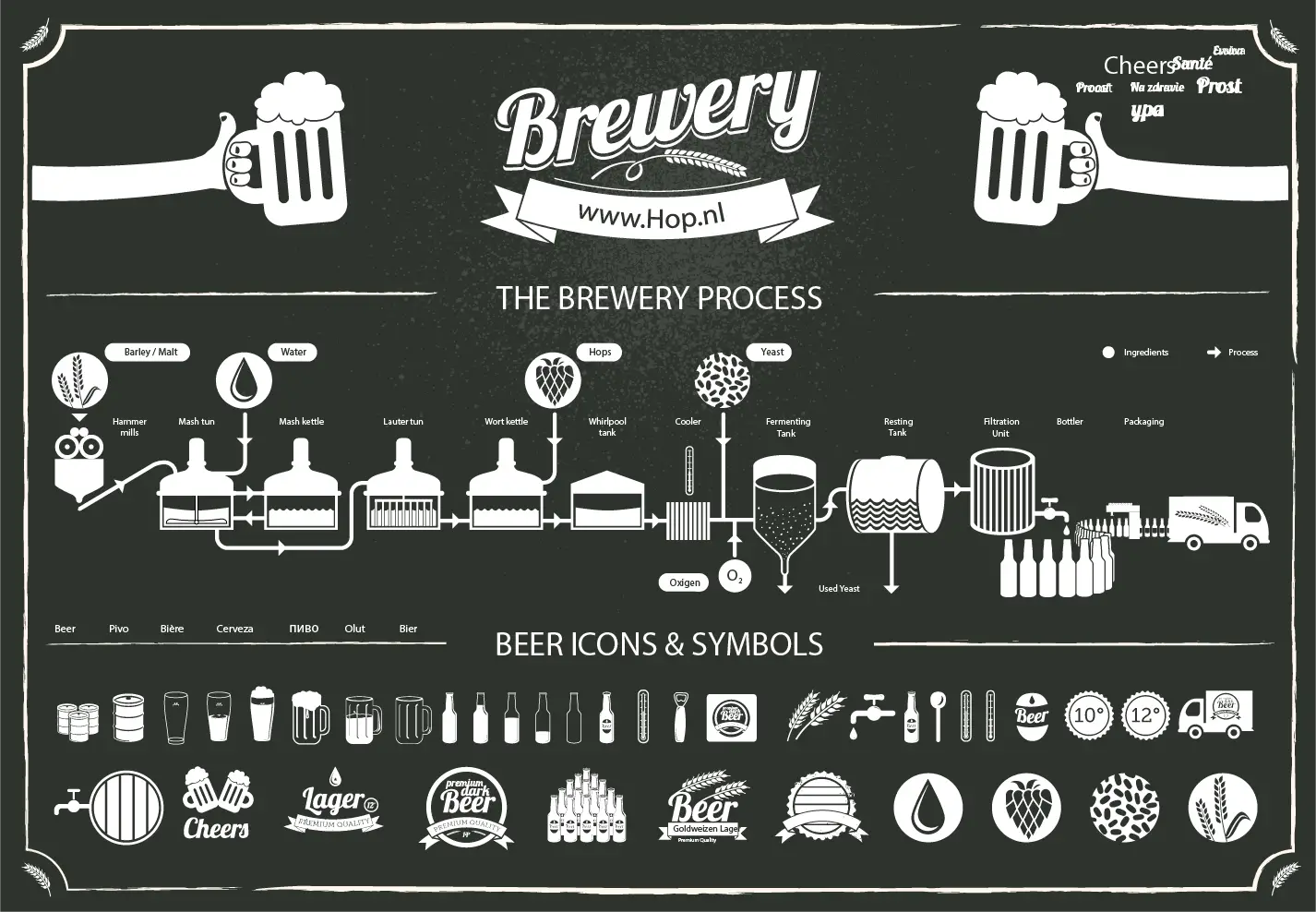
The brewing process consists of several phases, from preparing the ingredients to fermenting the wort. Let’s get started:
Step 1: Milling the malt: If you’re working with whole grains, use a malt mill to grind the malt to the appropriate consistency. Milling the malt ensures that the starch-rich interior is accessible for enzymatic activity during mashing.
Step 2: Mashing: Add the ground malt to warm water in the brew kettle to create a mash. During mashing, enzymes are activated and convert starch into fermentable sugars. Maintain a constant temperature during mashing to optimize enzymatic activity.
Step 3: Rinsing: Rinse the mashed grain with warm water to extract all the sugars and dissolved substances from the grain. This is also known as “wort rinsing” and ensures proper extraction of the sugars.
Step 4: Boiling: Bring the wort to a boil and add hops at various times. Hops add bitterness, aroma, and flavor to the beer. During boiling, other ingredients such as herbs or spices can also be added, depending on the recipe and the desired flavor.
Step 5: Cooling: Cool the boiled wort as quickly as possible to the desired fermentation temperature. This can be done using a cooling coil, an immersion chiller, or a refrigerator with a cooling coil.
Step 6: Add Yeast: Add the selected yeast to the cooled wort. The yeast will convert the sugars in the wort into alcohol and carbon dioxide during the fermentation process.
Step 7: Fermentation: Allow the wort to ferment in a sealed fermentation bucket with an airlock to allow carbon dioxide to escape. During fermentation, the yeast cells will multiply and convert the sugars into alcohol.
Step 8: Secondary Fermentation: After primary fermentation, the beer can be transferred to a secondary fermentation vessel for further maturation and clarification. This step is optional but can contribute to the beer’s flavor development and clarity.
Step 9: Bottling: Add sugar to the beer during bottling to create carbonation. Fill the bottles with the beer and seal them tightly with crown caps or screw caps.
Step 10: Aging: Let the bottled beers age in a cool, dark place for a period of time that depends on the beer style and personal preference. During aging, the beer will develop and refine, allowing the flavors and aromas to mature further.
Step 11: Tasting and Enjoying: After aging, it’s time to taste and enjoy your homebrew! Open a bottle, pour the beer into a glass, and take the time to appreciate the aromas, flavors, and mouthfeel you’ve lovingly created.
The brewing process is a creative and fascinating adventure that requires precision and patience. By understanding and mastering the various steps of the brewing process, you can consistently brew delicious beers and improve your brewing skills. In the following chapters, we’ll delve deeper into each of these steps, providing detailed information, tips, and techniques to help you through every stage of the brewing process. Keep reading and keep challenging yourself to experiment and create your own unique beers. The joy and satisfaction of brewing your own beer make the journey more than worth it.
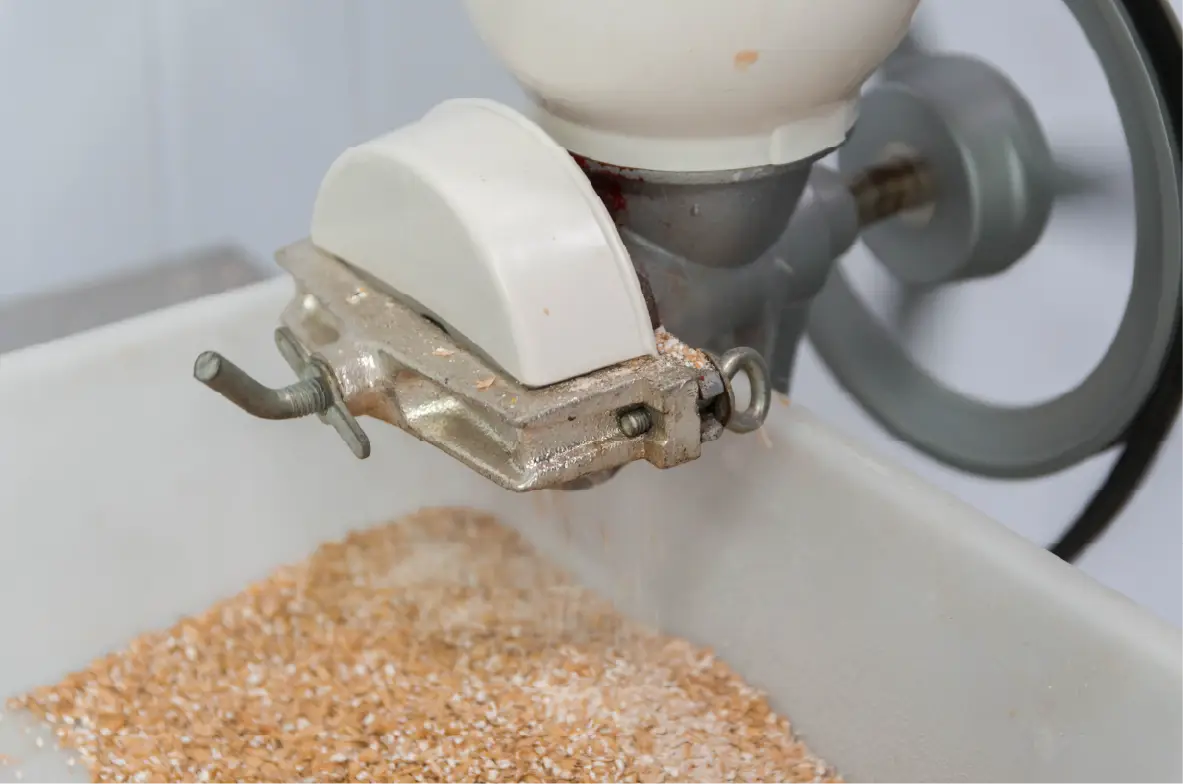
Malt Mills and Malt Selection
In this chapter, we’ll take a closer look at the importance of malt mills and selecting the right malt for the brewing process. Malt is an essential ingredient in beer and has a major influence on the flavor, color, and body of the final beer.
Let’s first take a look at malt mills. A malt mill is used to grind the malt grains to a specific consistency, depending on the desired brewing process. Milling the malt ensures that the starch-rich interior of the malt grains becomes accessible to enzymatic activity during mashing. This allows the enzymes to convert the starches into fermentable sugars.
There are various types of malt mills available, ranging from manual mills to electric mills. The type of malt mill you choose depends on your preference and the volume of beer you want to brew. In any case, make sure to choose a malt mill with adjustable grinding settings so you can grind the malt to the desired consistency.
Now that we’ve covered malt mills, let’s take a look at selecting the right malt for your brew. There are various types of malt available, each with its own characteristics and flavor profiles. Here are some common types of malt:
Pale malt: This is the base malt and is often used as the main component in the malt blend. It provides fermentable sugars and creates a solid foundation for the beer.
Caramel malt: Caramel malts add sweetness, color, and body to the beer. They come in various shades, ranging from light caramel to deep, dark caramel.
Roasted malt: Roasted malts, such as chocolate malt and black malt, add dark color and a roasted flavor to the beer. They are often used in stouts and porters.
Wheat malt: Wheat malt adds a soft, creamy texture to the beer and can be used in wheat beers, wheat ales, and some saison styles.
When selecting malt, it’s important to consider the desired flavor profile of the beer you want to brew. Experiment with different types of malt and blends to create your own unique flavor combinations. It’s also important to monitor malt quality. Make sure to use fresh, high-quality malt from reliable suppliers. Old or poorly stored malt can negatively affect the quality and flavor of the beer.
Yeast: The Living Organism
Let’s talk about yeast, the living organism responsible for fermentation and the conversion of sugars into alcohol and carbon dioxide during the brewing process. Yeast is an essential ingredient in beer and has a major influence on the taste, aroma, and texture of the final beer.
There are several types of yeast available to homebrewers, but the two most common are top-fermenting yeast (Saccharomyces cerevisiae) and bottom-fermenting yeast (Saccharomyces pastorianus). These yeasts each have their own characteristics and behavior during fermentation.
Top-fermenting yeast is typically used for brewing ales, such as pale ales, IPAs, and stouts. This yeast ferments at higher temperatures (approximately 18–22 °C) and tends to produce fruity esters and complex aromas. The result is often a beer with a rich flavor profile and a slightly higher alcohol content.
Bottom-fermenting yeast is used to brew lagers, such as pilsners and bocks. This yeast ferments at lower temperatures (approximately 7–13 °C) and produces clean, clear beers with a light, refreshing flavor. Bottom fermentation generally requires longer maturation times and cooler temperatures.
When choosing yeast, it’s important to consider which beer style you want to brew and what flavor characteristics you want to achieve. Each type of yeast has its own characteristic flavor profile and can significantly influence the final beer. In addition to choosing the yeast, it’s also important to consider the health and vitality of the yeast. Fresh, active yeast cells ensure proper and complete fermentation. It is advisable to use fresh yeast and to handle and activate it properly before adding it to the wort.
It is also possible to make your own yeast starter, in which you allow a small amount of yeast to grow in a nutrient solution before adding it to the wort. This helps increase the number of healthy yeast cells and ensures a vigorous fermentation.
Temperature Control and Fermentation Processes
Temperature is a crucial factor in creating the desired flavor profiles and promoting healthy fermentation.
When brewing beer, it’s important to monitor and control the temperature during the various stages of the process. Here are some key temperatures to keep in mind:
Mashing: During mashing, it is important to maintain the correct temperature to stimulate enzymatic activity. This can vary depending on the desired profile, but is typically between 62–67 °C. Lower temperatures promote better conversion of starch into fermentable sugars, while higher temperatures can add more non-fermentable sugars and complexity.
Boiling: When boiling the wort, it is important to maintain a constant temperature to extract hop bitterness and other flavor components. The wort is usually boiled at 100 °C, but the duration and the timing of hop addition can vary depending on the recipe and the desired bitterness.
Cooling: After boiling, the wort must be cooled quickly to the proper fermentation temperature. This can vary depending on the type of yeast used. Top-fermenting yeasts typically ferment at temperatures between 18–22 °C, while bottom-fermenting yeasts ferment at lower temperatures, usually between 7–13 °C. Maintaining the correct fermentation temperature precisely is essential for achieving the desired flavor profiles and ester formation.
Maturation: After primary fermentation, the beer can be transferred to a cooler environment for maturation and clarification. This is typically done at temperatures between 0–10 °C, depending on the beer style and the desired maturation time. During maturation, flavors can continue to develop and the beer can clarify.
Controlling the fermentation temperature is crucial for achieving the desired flavor characteristics and preventing off-flavors in the beer. This can be achieved by using cooling systems, such as a refrigerator, a refrigerator with a temperature controller, or an insulated fermentation cabinet. It is also important to monitor environmental conditions, such as the ambient temperature and the insulation of the fermentation vessel. In addition, there are various fermentation processes you can use, depending on the desired result and the beer style. Here are some common fermentation processes:
Primary fermentation: This is the initial stage of fermentation, during which most of the sugars are converted into alcohol and carbon dioxide. It usually takes place at the recommended fermentation temperature for the chosen yeast. During primary fermentation, aromas and flavors develop, and the yeast multiplies to promote healthy fermentation.
Secondary fermentation: This is an optional process used to further mature the beer and enhance its clarity. The beer is transferred to another vessel to leave any sediment behind and allow for further flavor development. This process can help mellow the flavor and enhance the beer’s clarity.
Cold hopping: This process involves adding hops to the beer during fermentation or maturation at a low temperature. This helps preserve the hop aromas and allows them to blend with the beer’s flavors. The result is a beer with a more intense hop aroma.
Dry-hopping: In this process, hops are added to the beer after fermentation, usually during secondary fermentation or directly into the aging vessel. The goal is to give the beer a stronger hop aroma without adding extra bitterness. The beer is often kept at room temperature for a certain period to optimally extract the hop aromas.
By controlling the fermentation temperature and applying the correct fermentation processes, you can achieve the desired flavor profiles and improve the quality of your beers.
Bottling and Aging Beer
In this section, we’ll discuss bottling and aging beer—the final steps in the brewing process before you can enjoy your homebrew. Bottling and aging are essential steps for allowing your beer to develop further and achieve the desired flavor, carbonation, and clarity.
Bottling: Once fermentation is complete, it’s time to bottle your beer. During the bottling process, add bottling sugar to the beer to create carbonation. The amount of bottling sugar depends on the desired carbonation level and the type of beer. Make sure to mix the sugar thoroughly with the beer before pouring it into the bottles.
Use clean, sterilized bottles and cap them tightly. Allow the beer to undergo secondary fermentation in the bottle, during which carbonation is produced. Store the bottles at room temperature for the recommended period—usually a few weeks—to allow the carbonation to build up in the beer.
Aging: After bottling, it’s time to let your beer age. Aging is the process of storing the bottled beer in a cool place, usually a cellar or refrigerator, for a specific period. This process allows the beer to mature and refine further.
During aging, flavors can harmonize and any off-flavors can diminish. The beer may also become clearer as any suspended particles settle. The duration of aging varies depending on the beer style but can range from a few weeks to a few months.
Make sure the storage environment is clean and cool, ideally between 0–10 °C. This helps preserve the beer’s quality and promotes proper maturation.
Tasting and Enjoyment: After aging, your beer is ready to be tasted and enjoyed. Open a bottle, pour the beer into a glass, and take the time to appreciate the aromas, flavors, and mouthfeel that you’ve carefully crafted. Pay attention to the color, clarity, head, and balance of flavors.
It can also be interesting to let a few bottles age longer and compare them with the same beer at different times. That way, you can experience the beer’s evolution and the changes in flavor over time.
By carefully bottling and aging your beer, you can achieve the desired carbonation level, flavor profile, and clarity. It gives your beer time to continue developing and maturing, allowing the flavors to balance out and reducing any unwanted flavors.
Troubleshooting and Common Problems
In this section, we’ll discuss troubleshooting and common issues you may encounter during the brewing process. Although brewing beer is an enjoyable activity, challenges can sometimes arise. It’s important to learn how to recognize and resolve these issues to ensure the quality of your beers.
Here are some common problems and possible solutions:
Contamination: One of the most common problems is contamination in the beer, which can result in unwanted flavors and odors. Be sure to thoroughly clean and sanitize all equipment before each brew. Use appropriate cleaning agents and follow the instructions carefully.
Lack of fermentation: If you notice that the beer isn’t fermenting sufficiently, this may be due to low yeast activity or an incorrect fermentation temperature. Check the yeast’s viability and ensure the fermentation temperature is within the recommended range. You may also consider making a yeast starter to increase the number of healthy yeast cells.
Off-flavors: The beer may develop off-flavors due to various factors, such as oxidation, improper temperature control, contamination, or incorrect ingredient ratios. Identify the specific off-flavor and try to determine the cause. Sometimes it may simply be a matter of improving your brewing technique or adjusting the recipe.
Clarity and Carbonation: If the beer is cloudy or lacks sufficient carbonation, this may be due to insufficient sediment settling, insufficient aging time, or improper bottling techniques. Make sure your beer has enough time to clarify and add the correct amount of bottling sugar to achieve the desired carbonation level.
When troubleshooting, it’s important to be patient and experiment with different solutions. Keep detailed notes of your brewing processes so you can identify patterns and make targeted improvements.
Beer Styles and Recipe Development
Understanding different beer styles and creating recipes are essential aspects of brewing beer. Here are some key points to keep in mind:
Beer Styles: Beer styles are defined based on characteristics such as color, flavor, aroma, and ingredients. It’s important to be familiar with different beer styles, such as lagers, stouts, IPAs, blond beers, and so on. Each has its own unique characteristics and requirements.
Flavor Profiles: Beer can have a wide range of flavors, ranging from malty and sweet to bitter and hoppy. It is essential to understand the flavor profiles of different beer styles and to experiment with the right ratios of malt, hops, yeast, and other ingredients to achieve the desired flavors.
Recipe Development: Developing a beer recipe is a creative process in which you choose the ingredients and techniques that best suit the desired beer style and flavor. Experiment with different types of malt, hop varieties, yeast strains, and specialty ingredients to create your own unique recipes.
Precise Measurements: When developing a recipe, it’s important to use precise measurements. Take into account the amount of malt, hops, and yeast you use, as well as the ratio of water to grains during mashing. Accurate measurements contribute to the consistency and reproducibility of your beers.
Documentation: Be sure to document your recipes and brewing processes. Write down the ingredients, the steps of the brewing process, fermentation times and temperatures, and any adjustments you’ve made. This will help you replicate successful recipes and make improvements where necessary.
The Future of Homebrewing
Homebrewing has evolved from a hobby for a select group to a popular activity among beer enthusiasts around the world. But what can we expect in the future?
Technological Advances
With ongoing technological advances, we can expect innovations that will make the homebrewing process even easier and more accessible. Think of advanced equipment, digital brewing assistants, and automation techniques that make brewing more efficient and precise.
Sustainability
Sustainability is becoming increasingly important in the beer industry, and that applies to homebrewing as well. We can expect to see a greater emphasis on environmentally friendly brewing methods, such as energy-efficient equipment, water reuse, and the use of local and organic ingredients.
Creativity and Experimentation
Homebrewing is known for its creative freedom and spirit of experimentation. In the future, we can expect even more innovative flavor combinations, the use of unique ingredients, and even new beer styles. Homebrewers will continue to experiment and push their boundaries.
Collaboration and Community
The homebrewing community will continue to grow and thrive. Homebrewers will continue to inspire one another, share knowledge, and collaborate on projects. This could lead to more local brewing clubs, events, and collaborative brewing projects.
Beer Education
Beer education will continue to play an important role in the future of homebrewing. Courses, workshops, and online resources will continue to evolve, and more people will have the opportunity to expand their knowledge and skills in the field of brewing.
The future of homebrewing is promising and exciting. With ongoing innovations, a growing community, and an enduring passion for beer, homebrewers will continue to play a key role in the world of beer.
Let’s get brewing!
That’s it, dear Hoppers. Thank you for joining us on this journey through the brewing adventure. We hope this guide has inspired you, helped you, and made you eager to start brewing your own beers (because what guy wouldn’t want that?). Enjoy the process, share your creations, and keep enjoying the craft of brewing beer!
Cheers to (the future of) homebrewing!