

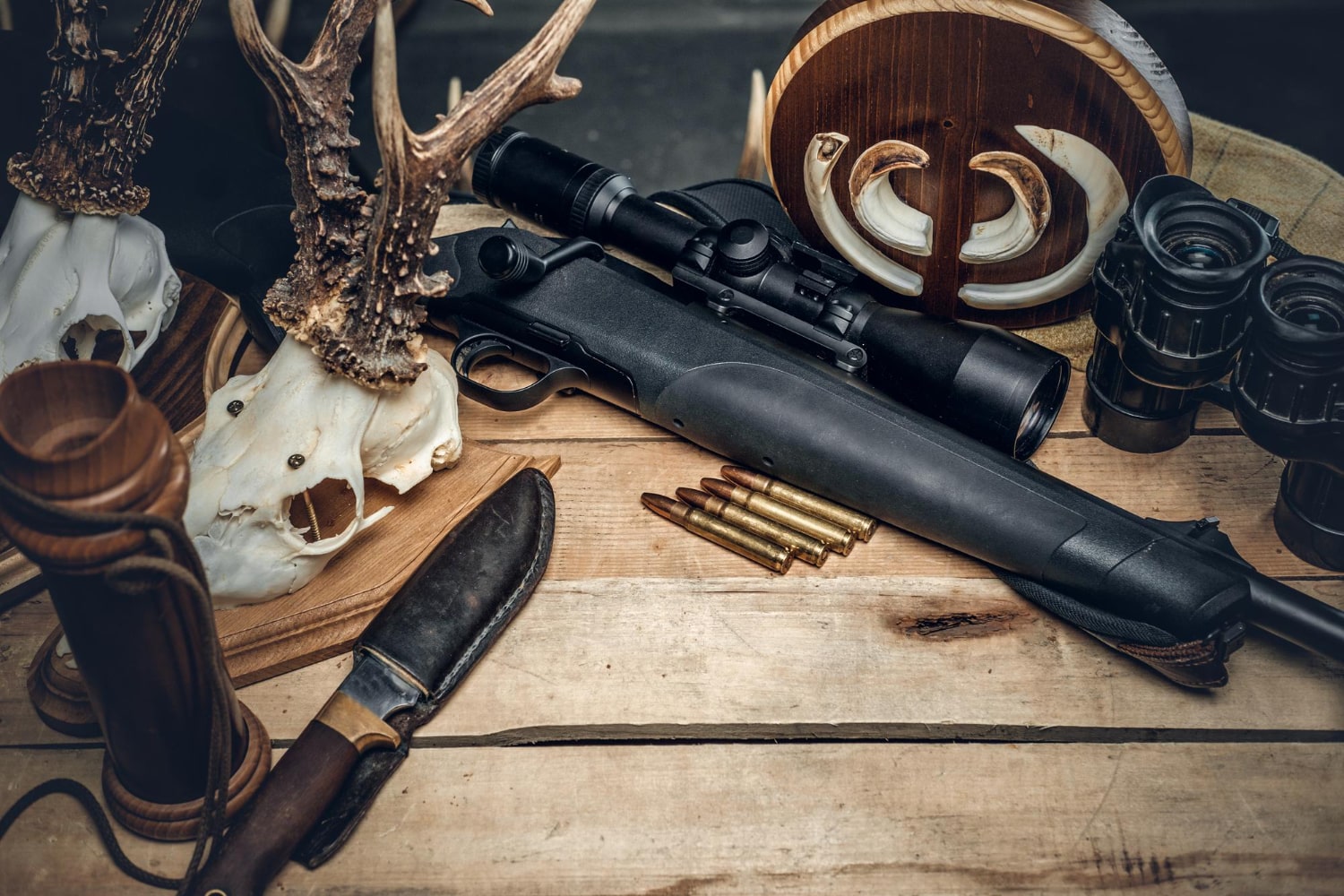
For sport shooters and hunters who make their own ammunition, priming and depriming tools are indispensable. But what exactly do these tools do? Simply put, they are responsible for two essential steps in reloading ammunition. Priming involves inserting a new percussion cap into the shell. This percussion cap is the small igniter needed to ignite the powder. Depriming refers to removing the spent percussion cap from an empty shell so that the shell can be reused.
Priming and depriming tools play a crucial role in the reloading process. They ensure that the ammunition functions reliably, safely and consistently. For those serious about shooting, it is important to have control over every step of the process. And that is precisely what makes these tools so valuable.
Why are these tools important to shooting sports?
Shooting sports is all about precision. Whether you're on the range to improve your personal records or you're hunting and don't want to miss a target: the quality of your ammunition is critical. By reloading ammunition yourself, you can achieve a level of control and consistency that is often unattainable with factory ammunition. Moreover, reloading ammunition is often more cost-effective, especially for shooters who train or shoot matches regularly.
Imagine a poorly placed percussion cap can cause your weapon to refuse to fire at a crucial moment. Choosing the right priming and depriming tools eliminates such risks. This is especially important in situations where you must rely on your equipment. In addition, reloading ammunition yourself allows you to refine and customize specific loading data to your weapon so that your shots are always consistent and accurate.
How do depriming tools work?
Depriming tools are designed to remove used percussion caps from empty shells. Although the operation may vary slightly from tool to tool, the principle is simple: a steel pin pushes the percussion cap out of the shell. This process is one of the first steps in reloading. It may seem simple, but performing this step correctly requires attention and precision.
There are several types of depriming tools available, from manual devices to more sophisticated machines. Manual tools are popular among novice reloaders and people who occasionally reuse shells. These devices are small, portable and relatively inexpensive. For shooters who regularly reload large quantities of ammunition, there are tabletop presses that work faster and more efficiently. Some of these devices also offer additional features, such as cleaning the cartridges at the same time.
For the truly avid reloader, there are automated depriming tools that can process hundreds of cartridges in a short period of time. These are often linked to other reloading equipment, further streamlining the process. Consider models that use an air compressor or motor drive. While these machines can be a hefty investment, they pay for themselves by saving time and effort.
How do you choose the right tool?
Choosing an appropriate depriming tool depends on your needs and experience. Are you new to reloading and working with small quantities of cartridges? Then a simple manual deprimer is a good choice. These tools are affordable and easy to use.
However, if you handle large quantities of ammunition or reload more frequently, you are better off investing in a table press. These offer more stability, speed and precision. A good example is the Lee Auto Bench Prime, which is known for its durability. For those who work on an industrial scale or simply want to automate the process, advanced models with integrated deprimer offer solutions.
When choosing a tool, it is also important to consider the type of ammunition you are reloading. Not all tools are suitable for every caliber, so check that the tool is compatible with your cartridges. In addition, ease of use plays a role. Some models have a complicated design, while others are more intuitive to use. Also, don't forget to consider maintenance: a well-maintained tool will last longer and deliver better results.
What are priming tools and how do they work?
After the old percussion cap is removed, comes the next step: installing a new percussion cap. This requires priming tools. These tools ensure that the new percussion cap is properly inserted into the ferrule, with just enough pressure to seat properly without being damaged.
Priming tools range from simple hand primers to sophisticated systems designed for bulk production. Hand primers are compact and inexpensive, making them a popular choice among hobbyists. They offer instant control and feedback, so you know exactly how the percussion cap is placed. For those who need more speed and stability, there are tabletop models that work with a lever system. These models offer more consistency and make it easier to handle large quantities of ammunition.
Automated priming tools offer the ultimate in convenience. They minimize human error and are perfect for those who regularly reload large quantities of ammunition. One example is the Lee Auto Bench Prime, an advanced device that combines priming with other steps in the reloading process. Although these systems are more expensive, they are worth their price for sport shooters and hunters who value reliability and speed.
Safety when using priming and depriming tools
Working with percussion primers carries certain risks. A mistake can lead to an unwanted ignition, which is dangerous. Therefore, it is important to always take proper precautions. Wear safety glasses and make sure your work area is clean and organized. Avoid stacking percussion caps on top of each other and regularly check that your equipment is in good condition.
Another important aspect of safety is inspecting cartridges. Do not use damaged cartridges, as they may crack while shooting. Also check that primer pockets - the recesses where percussion caps are inserted - are clean and free of debris. A little extra time spent on preparation can prevent accidents and improve the performance of your ammunition.
Maintenance of your tools
To ensure that your priming and depriming tools last, regular maintenance is essential. Start by cleaning the equipment after each use. Remove dirt, oil and powder residue that can build up and affect the operation of the tools. Check moving parts for wear and make sure everything is running smoothly. Lubricating hinges and joints with a small amount of gun oil can help.
Some tools have replaceable parts, such as decapping pins or levers. Be sure to replace these in time to avoid sleeve damage or inconsistent results. Store your tools in a dry place to prevent rusting. Regular maintenance not only improves performance but also saves money in the long run.
Start priming!
Priming and depriming tools are essential for anyone serious about the shooting sports. They offer control, precision and consistency when reloading ammunition. Whether you choose a manual model or a sophisticated machine, it is important to invest in quality and maintain your tools properly. By working safely and accurately, you get the most out of your equipment and improve your performance on the range or in the field.